Sofosbuvir and velpatasvir: hepatitis C generics and how they differ from Epclusa

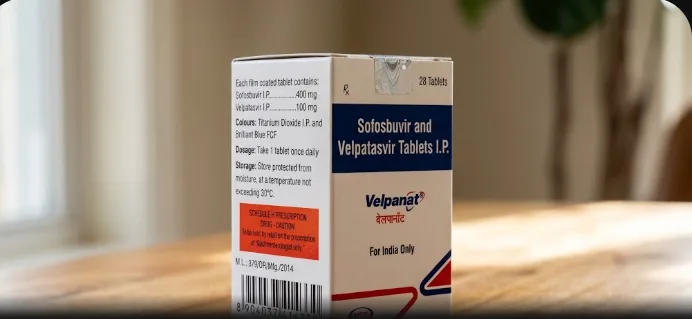
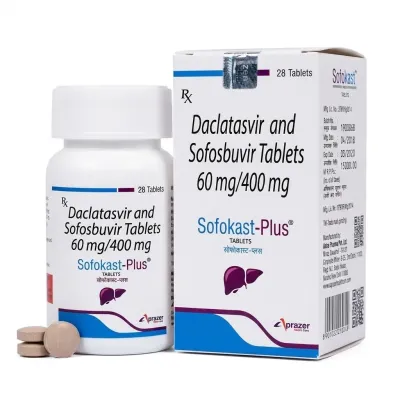
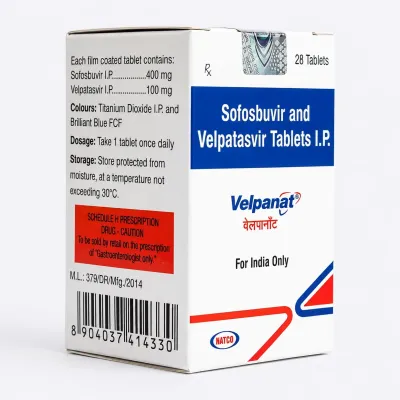
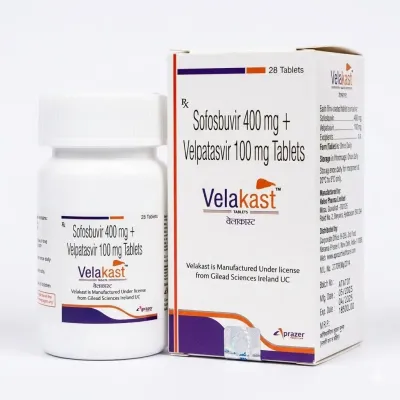
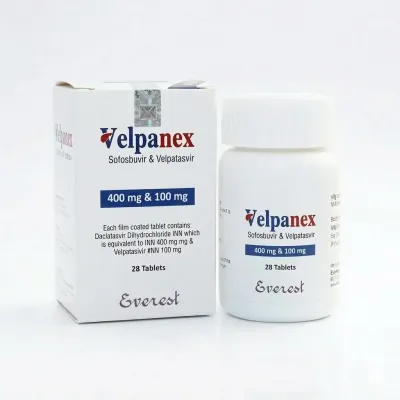
Just 15 years ago, hepatitis C was treated with interferon injections for nearly a year, with severe side effects and roughly a 50% success rate. The arrival of direct-acting antivirals (DAAs) changed everything: today a course takes 8–12 weeks of pills, and the virus clears from the blood in 95–99% of patients. One of the leading combinations is sofosbuvir + velpatasvir. The original drug is Epclusa (Gilead Sciences, USA). In the Unifarm catalogue, the same combination is available as Velpanat, Velpanex and Velakast.
This article does not replace a consultation with an infectious disease specialist or hepatologist. Hepatitis C treatment always starts after testing the virus genotype, assessing liver condition (elastography, fibrosis testing) and screening for co-infections — none of these can be determined on your own, and they directly determine which regimen is used and for how long.
How the hepatitis C virus damages the liver, and how treatment stops it
The hepatitis C virus lives inside liver cells for years, forcing them to produce copies of itself. The immune system tries to destroy the infected cells, and this chronic inflammation gradually replaces healthy liver tissue with scar tissue (fibrosis), eventually leading to cirrhosis and raising the risk of liver cancer. As long as the virus is active, this process doesn't stop on its own.
Sofosbuvir and velpatasvir are both direct-acting antivirals, but they block different viral proteins. Sofosbuvir is a nucleotide analogue that gets incorporated into the RNA chain the virus tries to copy with its own enzyme (NS5B polymerase), halting the copy. Velpatasvir blocks a different viral protein (NS5A) responsible for assembling new viral particles and releasing them from the cell. By acting on two different stages of the viral life cycle at once, the combination sharply reduces the chance the virus develops resistance to treatment.
Not one regimen for everyone: how treatment is chosen
Sofosbuvir + velpatasvir is a pan-genotypic combination — it works against all six major genotypes (1–6) without needing to know the exact genotype in advance. That was a major step forward compared to older regimens that had to be matched to a specific genotype. But it isn't the only possible combination, and which regimen suits a given person depends on genotype, presence of cirrhosis, and whether they've been treated before.
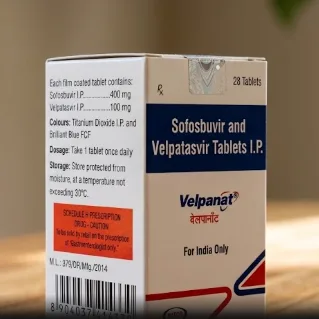
12 weeks, all genotypes
base pan-genotypic regimen without cirrhosis
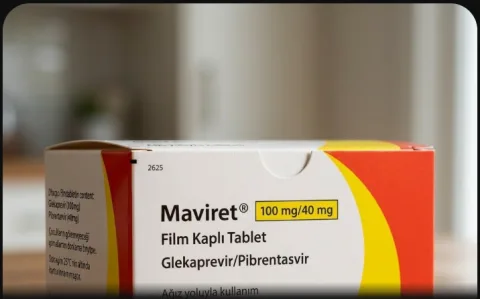
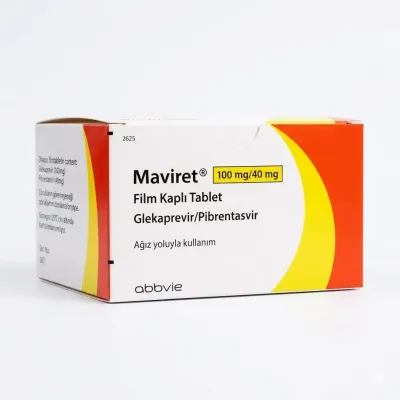
8 weeks, shortened course
Maviret — for treatment-naive patients without cirrhosis
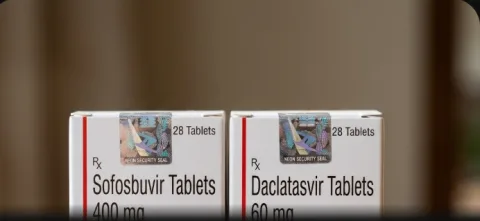
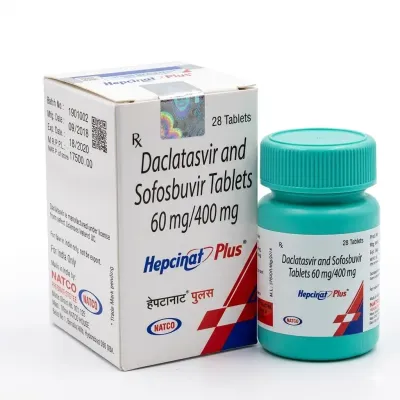
12–24 weeks
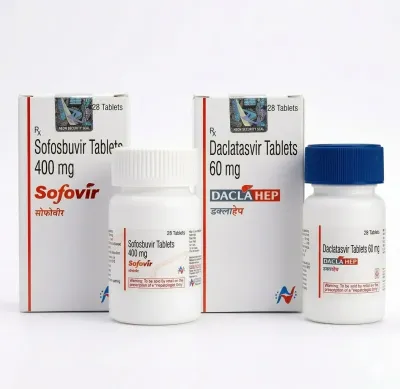
Sofovir + Daclahep — an older but still effective regimen, sometimes with ribavirin
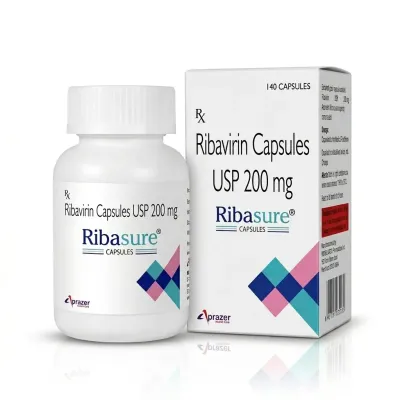
With liver cirrhosis, a prior failed treatment, or certain genotypes, a doctor may extend the course to 24 weeks or add ribavirin (e.g. Ribasure) — this improves success rates in harder cases through additional antiviral action.
Generic vs original: the difference
| Parameter | Epclusa (original) | Velpanat / Hepcinat Plus (generic) |
|---|---|---|
| Active substances | Sofosbuvir 400 mg + velpatasvir 100 mg | Sofosbuvir 400 mg + velpatasvir 100 mg |
| Manufacturer | Gilead Sciences (USA) | Various Indian manufacturers (Natco, Hetero, etc.) |
| Regimen | 1 tablet a day, with or without food | 1 tablet a day, with or without food |
| Effectiveness (SVR12) | 95–99% in clinical trials | Comparable effectiveness in real-world use |
| Full course price | Significantly higher (thousands of dollars) | Tens of times lower |
The availability of generics is what made hepatitis C treatment realistic for millions of patients in countries where original Epclusa costs as much as a car. The WHO separately supports access programs for quality DAA generics in countries with a high hepatitis C burden, and many Indian manufacturers produce them under voluntary licenses from Gilead — an official arrangement, not a "grey market" one.
Side effects and what to watch for
Sofosbuvir and velpatasvir are tolerated far better than the interferon therapy of past years. The most common side effects — headache, fatigue, nausea — are usually mild and resolve on their own. What matters far more is drug interactions and liver status:
- Amiodarone (a heart rhythm medicine) combined with sofosbuvir can cause a dangerous slowing of the heartbeat — this combination is usually avoided or requires cardiac monitoring.
- Antacids and heartburn medicines (proton pump inhibitors, H2 blockers) reduce velpatasvir absorption — their timing is spaced out or substituted in consultation with a doctor.
- Certain anticonvulsants and HIV medicines reduce the regimen's effectiveness — a doctor must know about everything you take before prescribing the course.
- Liver function is checked before, during, and after treatment, and with cirrhosis, monitoring continues even after successfully clearing the virus, since complication risk remains.
How to know the treatment worked
Feeling better says nothing about treatment success — hepatitis C is often symptomless for years in many people, and can just as symptomlessly persist after an incomplete course. The only reliable measure is a PCR test for viral RNA 12 weeks after taking the last tablet (sustained virologic response, SVR12). If RNA is undetectable, hepatitis C is considered cured. Earlier tests during the course itself may show a drop in viral load but don't replace the final check at 12 weeks.
This article is for reference only and does not replace a hepatologist's or infectious disease specialist's consultation.