
Estramustine Phosphate (Estracyt): Prostate Cancer Guide

Known as original brand(s)

Estracyt

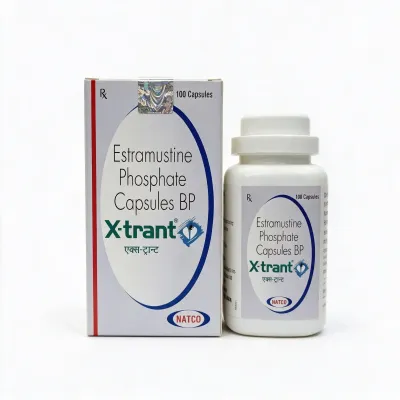
Estramustine phosphate is a dual-acting antineoplastic agent combining an estrogen (estradiol) with an alkylating nitrogen mustard moiety, originally marketed under the brand name Estracyt (also known under the brand name Emcyt in the US). The drug was specifically developed for the palliative treatment of advanced, hormone-refractory prostate cancer.

The mechanism of action of estramustine is twofold: its cytotoxic effect is mediated by antimicrotubule activity (binding to microtubule-associated proteins and inhibiting mitosis), complemented by the antigonadotropic effect of estradiol, which suppresses serum testosterone levels to castrate levels.

Clinical use of estramustine provides disease stabilization, reduces pain associated with bone metastases, and improves overall quality of life in patients with progressive prostate adenocarcinoma.

Wikipedia page
Estramustine phosphate

Indications

Estramustine phosphate is indicated in medical oncology and urology for the following conditions:

  • Prostate Carcinoma: Treatment of advanced, hormone-refractory (castration-resistant) carcinoma of the prostate.
  • Primary Therapy: Initial treatment of patients with advanced prostate cancer who are predicted to have a poor response to conventional hormonal therapy alone.

Dosage and administration

Estramustine phosphate capsules are intended for oral administration under the supervision of a clinical oncologist:

  • Recommended Dosage: The daily dose is 7 to 14 mg per kg of body weight (typically 4 to 8 capsules of 140 mg daily), divided into 2 to 3 administrations.
  • Administration Method: Capsules should be swallowed whole with water at least 1 hour before or 2 hours after meals.
  • Dietary Interactions: Do not administer with milk, dairy products, or calcium-rich foods/antacids, as calcium ions form insoluble complexes that significantly decrease absorption.
  • Duration of Treatment: Therapy should be continued as long as a clinical benefit is observed (an initial trial period of 30 to 90 days is recommended to assess efficacy).
Estramustine phosphate is contraindicated in the following cases:

  • Cardiovascular Diseases: Severe cardiovascular disease, active thrombophlebitis, or history of thromboembolic disorders.
  • Hepatic Dysfunction: Severe impairment of liver function.
  • Hypersensitivity: Known hypersensitivity to estramustine, estradiol, or nitrogen mustard.
  • Gender and Age: Not indicated for use in female patients or pediatric populations.

Estramustine phosphate therapy may be associated with the following adverse reactions:

  • Cardiovascular System: Fluid retention, peripheral edema, hypertension, thromboembolism, exacerbation of ischemic heart disease, and congestive heart failure.
  • Endocrine System: Gynecomastia, erectile dysfunction, and decreased libido.
  • Gastrointestinal System: Nausea, vomiting, diarrhea, anorexia, and elevated hepatic transaminases.
  • Hematologic System: Mild leukopenia, thrombocytopenia, or anemia (uncommon).
  • Central Nervous System: Headache, lethargy, fatigue, and mood alterations.

Frequently Asked Questions

Estramustine phosphate is a hybrid chemotherapeutic agent designed specifically for the treatment of prostate cancer. Its molecular structure links an estrogen molecule with a nitrogen mustard alkylating group. The drug operates via a dual mechanism: the estrogen component acts as a carrier to selectively target prostate cells possessing estrogen receptors, while the alkylating portion damages the DNA of malignant cells. Additionally, estramustine disrupts cellular microfilaments and microtubules, effectively halting tumor cell division during mitosis.
Estramustine phosphate is indicated primarily for the treatment of advanced or progressive prostate cancer, particularly in hormone-refractory or castration-resistant stages where standard primary endocrine therapies are no longer effective. The medication helps suppress tumor proliferation, alleviate bone pain caused by skeletal metastases, and improve the overall quality of life for patients facing advanced prostate malignancies.
Estramustine capsules are administered orally with water. A critical rule for ensuring proper gastrointestinal absorption is that the drug must not be taken with milk, dairy products, or medications containing calcium, magnesium, or aluminum (such as antacids), because these substances bind with estramustine to form insoluble complexes that severely impair absorption. Capsules should generally be taken either 1 hour before meals or 2 hours after a meal.
Because of the estrogen moiety embedded in its chemical structure, estramustine significantly elevates the risk of serious cardiovascular events. These include deep vein thrombosis, pulmonary embolism, exacerbation of congestive heart failure, peripheral edema, and hypertension. Patients with a prior history of cardiovascular disease, thromboembolic disorders, or cerebrovascular events require close clinical monitoring throughout treatment.
Estramustine therapy mandates comprehensive, regular medical surveillance. Patients must undergo routine complete blood counts to monitor for potential bone marrow suppression caused by the alkylating component, alongside hepatic and renal function panels. Furthermore, physicians must actively track blood pressure trends, monitor coagulation parameters, and remain vigilant for early clinical signs of fluid retention or thromboembolic complications.

List of medicines by active substance

-8%
Xtrant
View
Natco
140 mg 100 capsules
8900₴ 9700₴
✅ All products loaded (1)

Contact us

Choose a convenient way to contact

We work daily from 9:00 to 20:00