Indian oncology generics: how they differ from the original

When you come home from hospital with a new prescription, it often lists not the loud brand names we know from advertising, but unfamiliar Latin terms. That is the name of the substance — what is inside the tablet, not tied to any one factory’s brand. Both the expensive originator and a more affordable generic are found by that name.
Let us be clear from the start: this article is not a treatment guide and not a way to choose a medicine. Prescribing therapy is the doctor’s job alone. We only want to explain, calmly and clearly, how the substance name differs from the name on the box, how generics differ from originators, and how delivery of such medicines works through Unifarm.
The substance name and the name on the box
It is simple: a person has a passport name, and may also have a home name or a nickname. Medicines work the same way.
The substance is what works inside. Doctors in different countries write the same Latin word so they understand one another without translators.
A trade name is the attractive name on the box, invented by a particular pharmaceutical plant.
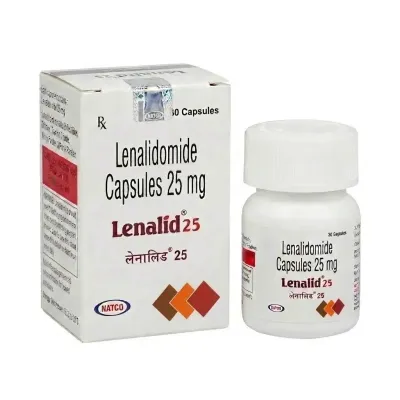
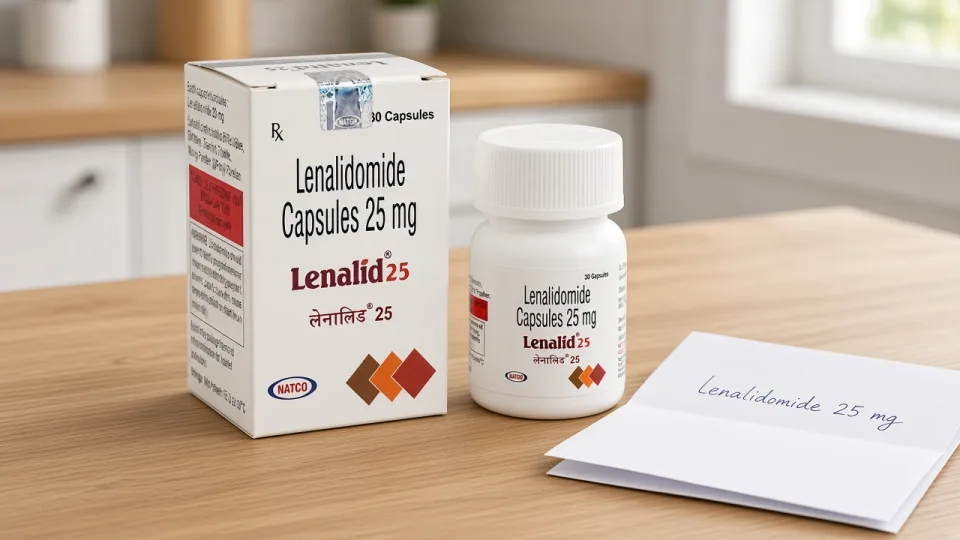
Take a familiar medicine: the prescription says lenalidomide 25 mg. That means the doctor needs the substance itself (lenalidomide) and the exact dose. Whether the box shows the originator name or an Indian analogue (for example, Lenalid 25 from Natco) is a separate question. The substance inside will work the same way.
lenalidomide
the active substance
the worldwide name of the molecule itself
not a factory brand name
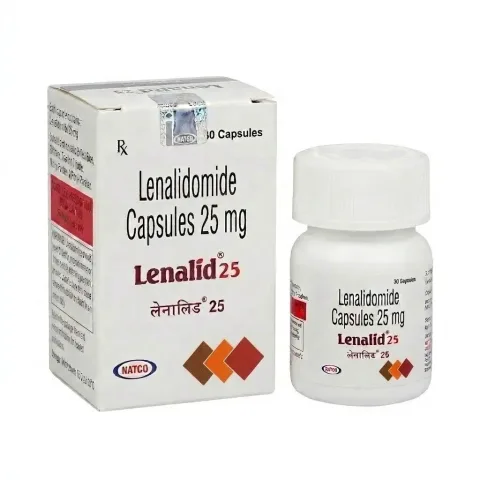
Lenalid 25
the trade name on Natco’s carton
the same substance if the doctor wrote it
Originator and generic: what actually differs
The originator medicine is the pioneer. A company spends years and billions developing the molecule and receives a patent. While the patent lasts, only that company may manufacture the medicine. When the patent expires, other plants gain the legal right to produce the same formula.
Under pharmaceutical-market rules, a generic must contain the same active substance and exactly the same dose in milligrams. A 25 mg tablet remains a 25 mg tablet, whichever plant printed it.
What matches in a generic, and what can differ:
- The same: the active substance, the dose (mg), the dosage form (tablets, capsules), and how it is taken.
- May differ: other ingredients (starch, lactose, or the coating), tablet colour and shape, pack design, leaflet language and, of course, the price.
The price is lower not because the medicine is “diluted” or fake, but because the generic manufacturer does not have to reinvent the wheel or build billion-dollar research into the cost.
Why Indian cancer generics are so popular
India today is one of the world’s leading generic manufacturers, especially in oncology. The largest Indian plants follow strict international quality standards and undergo tough inspections.
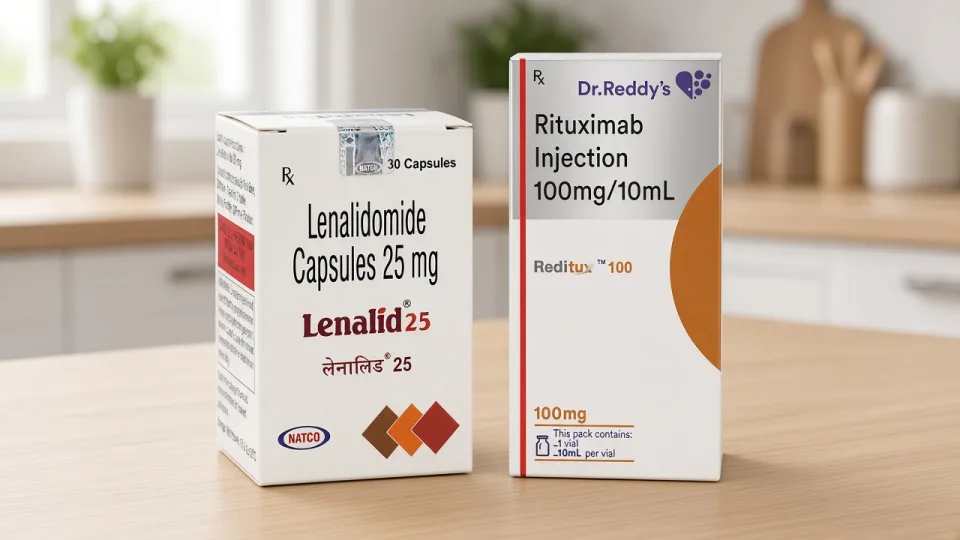
When a course of treatment is planned for many months, original European or American medicines can become unaffordable. In those situations, quality generics become a real way to continue therapy. Remember, though: the word “India” on the pack is not a guarantee by itself. The medicine must be shipped under the right conditions, and the carton must be original and intact.
How we work at Unifarm
We do not sell medicines “off the street”, and we do not improvise. Our job is to bring exactly the medicine your doctor prescribed, in factory packaging and with checked batch documents.
- We request certificates and check every shipment.
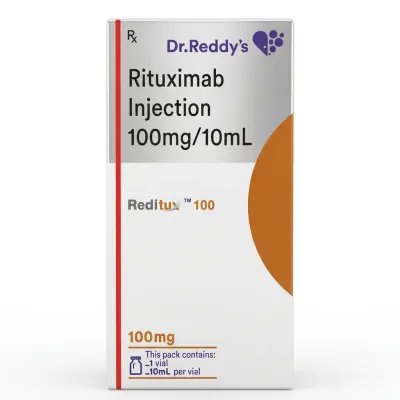
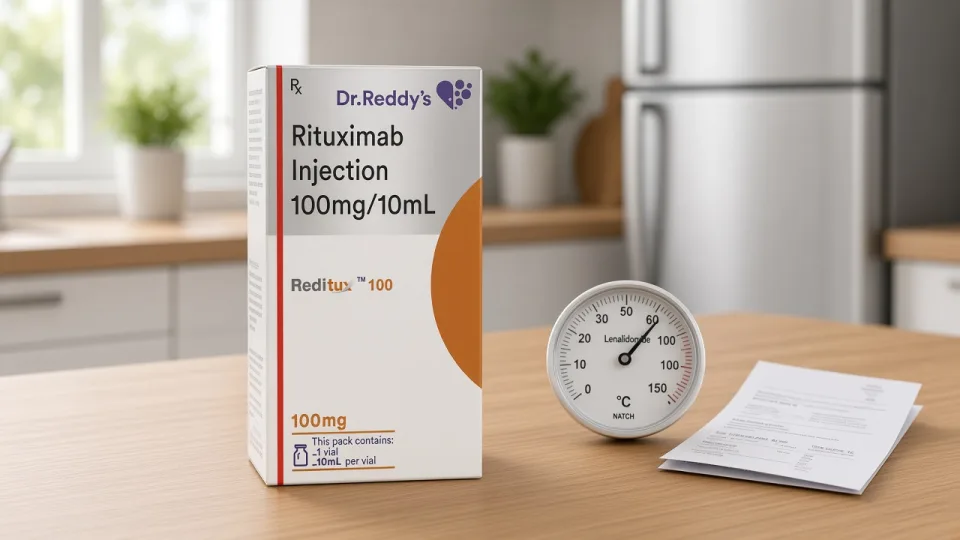
- If the medicine needs a special temperature regime (a cold chain), we follow the transport rules strictly — this is always stated on the product page.
- We never change the prescription or try to “find a cheaper analogue” on our own initiative.
Checklist: what to check when you collect the order at Nova Poshta
When you collect the parcel at a Nova Poshta branch — and especially before you start taking the medicine — match the carton to what the doctor wrote:
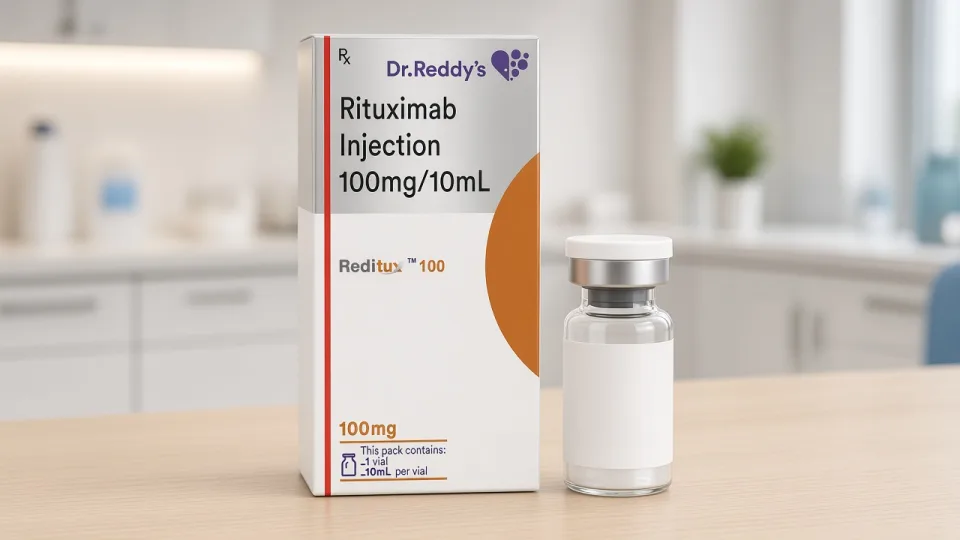
- Do the substance and milligrams match your prescription.
- Are the manufacturer’s name, batch number and exact expiry readable on the pack.
- Are the carton and blisters intact: no signs of opening, crushing, or suspicious stickers over the original text.
- Is the leaflet there. If it is in an unfamiliar language, do not throw it away — write to Unifarm support or ask your treating doctor.
If anything raises a doubt, do not take the medicine “at random”. Write to support and contact your doctor. In oncology there are no small details, and every point needs attention.
The information is for reference only: the final decision on which medicine to take, at what dose and for how long, is always made only by your treating doctor.