Liver cancer and hepatitis B and C: how to lower the risk

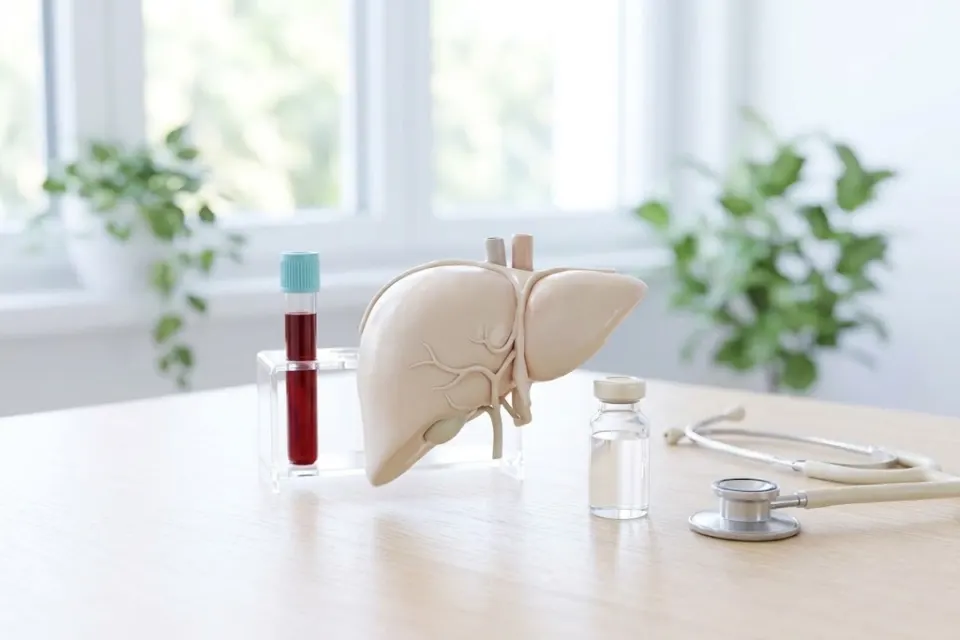
Liver cancer rarely develops in a healthy liver. It is usually preceded by years of chronic inflammation that gradually turns healthy tissue into scar tissue — this is how fibrosis and cirrhosis develop. The good news is that the main causes of this inflammation are known, and most of them can be influenced.
The main causes of liver cancer
- Chronic hepatitis B — the most common cause worldwide.
- Chronic hepatitis C — causes no symptoms for years.
- Alcohol — regular drinking leads to alcoholic cirrhosis.
- Fatty liver — with excess weight, type 2 diabetes and high cholesterol, fat builds up in the liver and causes inflammation. This cause is becoming more and more common.
The risk is especially high when there are several causes — for example, hepatitis plus alcohol.
Get tested for hepatitis
Hepatitis B and C often cause no symptoms until cirrhosis develops. That is why all adults are advised to have a blood test for HBsAg (hepatitis B) and hepatitis C antibodies at least once in their lives. People who have had blood transfusions, tattoos or manicures in unregulated places, unprotected sex or have used drugs should be tested more often.
Hepatitis B: vaccination and treatment
The hepatitis B vaccine was the first vaccine in history to prevent cancer. Children receive it in the first months of life, and unvaccinated adults can have it at any age (usually 3 doses).
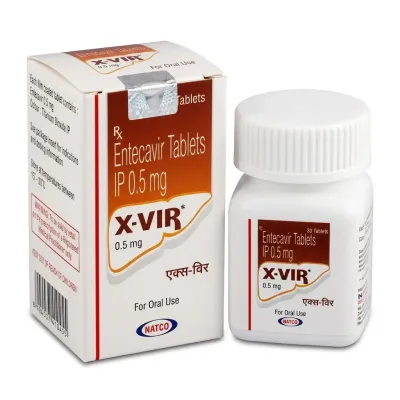
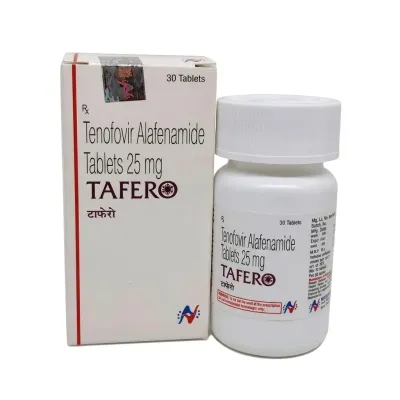
If hepatitis B is already chronic, the virus cannot yet be fully removed from the body, but it can be suppressed for a long time. This is done with tablets — entecavir (for example, X-Vir) or tenofovir, including the newer form tenofovir alafenamide (Tafero). They lower the risk of cirrhosis and liver cancer, but not to zero, so treatment usually lasts for years and is combined with regular monitoring.
Hepatitis C: curable in a few weeks
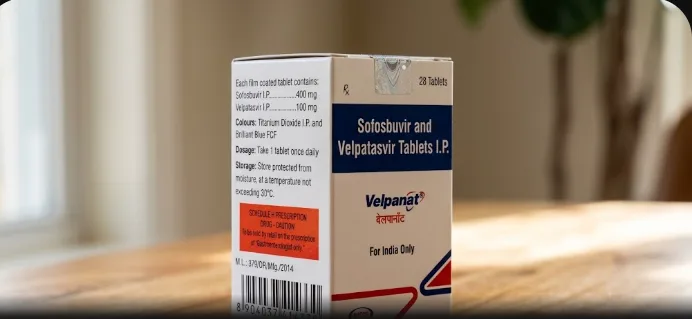
Hepatitis C is now cured in 95–99% of patients with 8–12 weeks of tablets — for example, sofosbuvir with velpatasvir (Velpanat). After a cure, the risk of liver cancer drops noticeably. More about treatment in our article on sofosbuvir and velpatasvir.
Important: if cirrhosis was already present when treatment started, liver monitoring continues after the cure — the risk remains.
Who needs regular liver ultrasound
People with cirrhosis of any cause and many patients with chronic hepatitis B are advised to have a liver ultrasound every 6 months, often together with an alpha-fetoprotein (AFP) blood test. This finds tumours early, when they can be removed or destroyed.
What you can do every day
- limit alcohol, and stop completely if you have liver disease;
- lose excess weight: even 7–10% less reduces liver fat;
- keep blood sugar under control if you have diabetes;
- do not take “liver remedies”, herbs or supplements without a doctor — some of them damage the liver themselves;
- do not eat mouldy nuts or grains: the mould produces toxins that harm the liver.
This article is for information only. Hepatitis tests and treatment are prescribed by a hepatologist or infectious disease specialist.