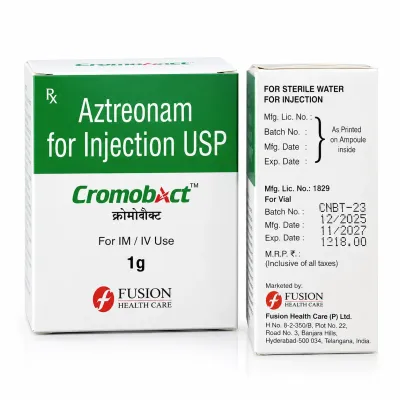
Buy Aztreonam (Azactam) online
Price: 1,073 UAH
Known as original brand(s)
Azactam
Buy Aztreonam (Azactam) online with delivery. Browse medicines that contain Aztreonam, compare doses and prices.
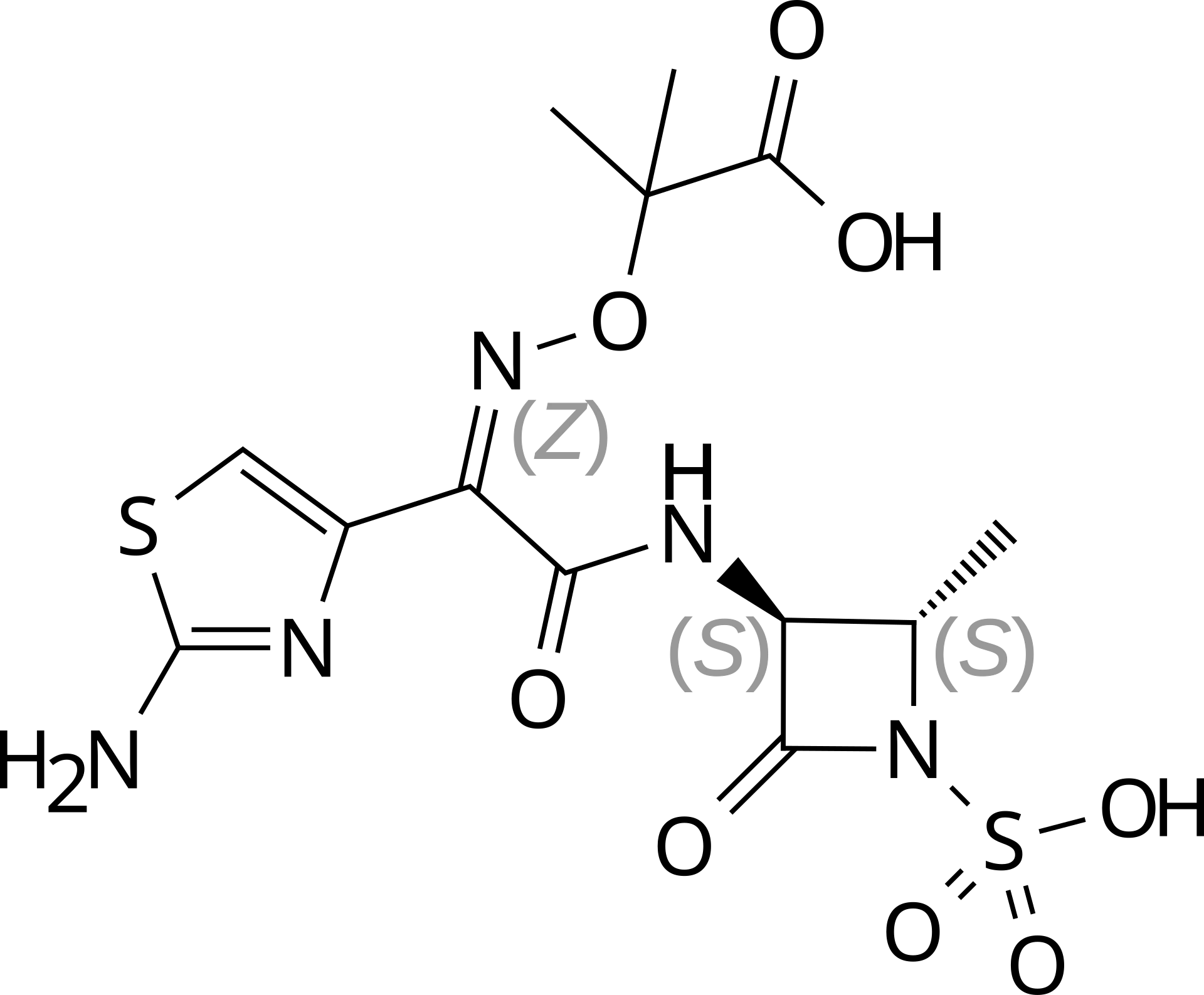
Aztreonam is the first synthetic antibacterial agent belonging to the unique subgroup of monobactams, originally marketed under the brand name Azactam. Unlike most other beta-lactam antibiotics (such as penicillins and cephalosporins), aztreonam features a monocyclic beta-lactam ring, which confers a narrow and specific antibacterial spectrum and minimizes cross-allergenicity with penicillins.
The mechanism of action of aztreonam involves highly selective binding to penicillin-binding proteins (PBP-3) of gram-negative bacteria, inhibiting bacterial cell wall synthesis and causing cell lysis. The drug exhibits potent bactericidal activity exclusively against aerobic gram-negative microorganisms (including Pseudomonas aeruginosa) and remains highly stable against most beta-lactamases.
Clinical utilization of aztreonam provides an effective therapeutic option for severe nosocomial gram-negative infections, particularly in patients with documented severe hypersensitivity to penicillins or cephalosporins.
Indications
Aztreonam is indicated in clinical practice for the treatment of severe infections caused by susceptible aerobic gram-negative pathogens:
- Urinary Tract Infections: Complicated and uncomplicated urinary tract infections.
- Lower Respiratory Tract Infections: Pneumonia, bronchitis, and lung empyema caused by gram-negative bacteria.
- Intra-abdominal and Gynecological Infections: Peritonitis, intra-abdominal abscesses, and pelvic inflammatory disease.
- Skin, Soft Tissue, and Bone Infections: Wound infections, sepsis, and empirical coverage in penicillin-allergic patients.
Dosage and administration
Aztreonam is administered parenterally via intravenous or intramuscular routes. Dosage must be adjusted based on infection severity:
- Recommended Adult Dosage: 1 g to 2 g administered every 8 to 12 hours for systemic infections. For life-threatening infections, doses up to 2 g every 6 or 8 hours may be utilized.
- Maximum Daily Dose: Up to 8 g per day.
- Administration Method: Intravenous administration should be performed as a slow injection over 3–5 minutes or as an infusion over 20–60 minutes. Intramuscular injections should be given deeply into large muscle masses.
- Renal Impairment: Dosage adjustment is required in patients with compromised renal function (creatinine clearance less than 30 mL/min).