
Buy Doxorubicin (Adriamycin) online

Price: 1,565 UAH

Known as original brand(s)

Adriamycin

Buy Doxorubicin (Adriamycin) online with delivery. Browse medicines that contain Doxorubicin, compare doses and prices.

Doxorubicin is a classic anthracycline antineoplastic antibiotic originally isolated from Streptomyces peucetius and marketed under the brand name Adriamycin (Adriablastina). It is one of the most potent and widely utilized cytotoxic agents in medical oncology for managing a broad spectrum of solid tumors and hematologic malignancies.

The mechanism of action of doxorubicin is multifaceted and includes:

  • Intercalation between DNA base pairs, disrupting DNA replication and transcription processes.
  • Inhibition of topoisomerase II enzyme, leading to double-stranded DNA breaks.
  • Generation of free radicals and reactive oxygen species that damage cell membranes, proteins, and DNA.

Clinical administration of doxorubicin is highly effective in lymphomas, soft tissue and bone sarcomas, breast cancer, lung cancer, and other malignancies. Liposomal formulations are available to reduce the risk of cardiotoxicity.
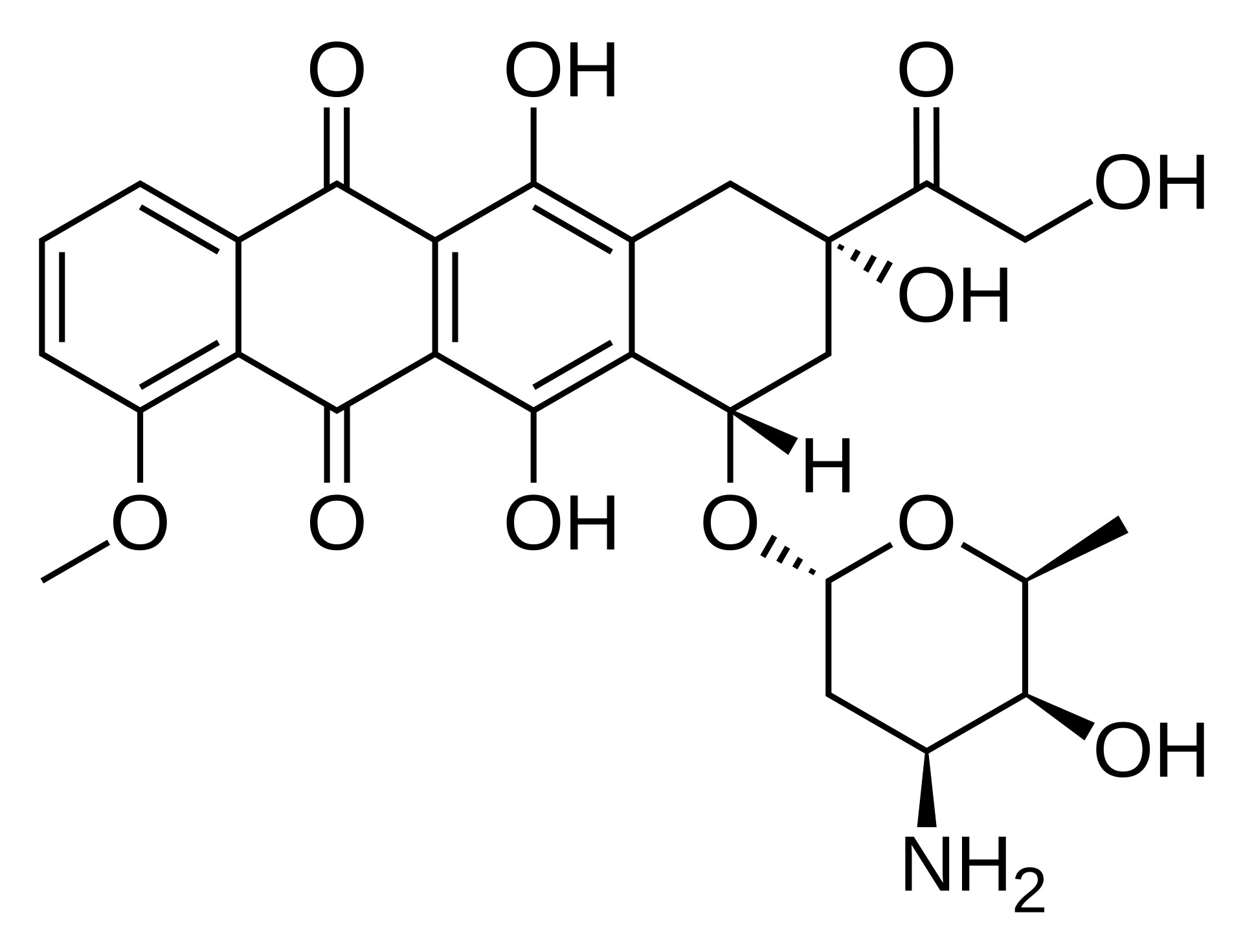
Wikipedia page
Doxorubicin (Adriamycin)

Indications

Doxorubicin is indicated in clinical oncology for the following conditions:

  • Malignant Lymphomas: Treatment of Hodgkin's disease and non-Hodgkin's lymphomas of various grades.
  • Sarcomas: Soft tissue sarcomas and osteosarcomas in adult and pediatric patients.
  • Breast Cancer: Adjuvant and palliative therapy for locally advanced or metastatic breast cancer.
  • Other Solid Tumors: Ovarian cancer, bladder cancer, small cell lung cancer, thyroid cancer, neuroblastoma, and Ewing's sarcoma.

Dosage and administration

Doxorubicin is administered exclusively via the parenteral route (intravenous injection or infusion) under the supervision of a qualified oncologist:

  • Monotherapy: The standard dose ranges from 60 to 75 mg/m² of body surface area administered as an intravenous injection every 3 weeks.
  • Combination Chemotherapy: Doses typically range from 40 to 60 mg/m² every 3 to 4 weeks depending on the specific regimen.
  • Alternative Schedules (Fractionated Doses): Administration of 20 mg/m² weekly or 10 to 15 mg/m² daily for 3 consecutive days every 3 to 4 weeks to reduce peak toxicity.
  • Cumulative Dose Limit: The total lifetime cumulative dose in adults should not exceed 450–550 mg/m² to prevent irreversible cardiomyopathy (patients with prior mediastinal irradiation have a lower limit of 400 mg/m²).
  • Administration Technique: Administered strictly via intravenous infusion (typically through a running IV line with 0.9% sodium chloride) to prevent severe tissue necrosis upon extravasation.
Doxorubicin is contraindicated in the following cases:

  • Cardiotoxicity: Severe heart failure, history of myocardial infarction, severe arrhythmias, or previous treatment exceeding maximum cumulative anthracycline doses.
  • Myelosuppression: Pronounced bone marrow depression (persistent leukopenia or thrombocytopenia).
  • Severe Hepatic Impairment: Significant liver dysfunction (elevated serum bilirubin levels).
  • Hypersensitivity: Known hypersensitivity to doxorubicin, other anthracyclines, or anthracenediones.
  • Pregnancy and Lactation: Pregnancy and breastfeeding periods due to teratogenic and embryotoxic risks.
  • Infections: Acute systemic infections.

Treatment with doxorubicin may cause the following adverse reactions:

  • Cardiotoxicity: Acute (arrhythmias, ECG changes) and chronic (dose-dependent cardiomyopathy, congestive heart failure).
  • Hematologic: Profound myelosuppression (leukopenia, neutropenia, thrombocytopenia, anemia, febrile neutropenia).
  • Gastrointestinal: Nausea, vomiting, oral mucositis, stomatitis, diarrhea, and anorexia.
  • Dermatologic: Complete reversible alopecia, skin and nail hyperpigmentation, rash, and severe tissue necrosis upon extravasation.
  • General Disorders: Red coloration of urine (a harmless phenomenon), asthenia, and fever.

Frequently Asked Questions

Doxorubicin is an anthracycline antibiotic with pronounced cytotoxic properties that effectively inhibits the proliferation of malignant cells. Its primary mechanism of action involves intercalating between DNA strands, inhibiting the topoisomerase II enzyme, and generating free radicals, leading to nucleic acid damage and tumor cell death. The drug exhibits a broad spectrum of antitumor activity and is capable of affecting cells regardless of the cell cycle phase. Following intravenous administration, the active substance rapidly distributes into tissues and penetrates cell nuclei. The pharmacokinetics of the drug is characterized by multiphasic elimination from the body involving hepatic metabolism.
The primary indication for prescribing Doxorubicin is the treatment of various oncological diseases, including acute leukemia, malignant lymphomas, and soft tissue and bone sarcomas. The drug is widely used in combination chemotherapy regimens for breast, ovarian, lung, thyroid, and bladder cancers. The medication is effectively utilized for both neoadjuvant and adjuvant therapy, as well as for palliative treatment of advanced tumor processes. Therapy allows achieving a marked reduction in tumor mass and extending patient survival. The prescription of the drug is carried out exclusively by an oncologist based on the stage of the disease and the patient's general performance status.
Doxorubicin is administered exclusively intravenously, most commonly as a short-term slow infusion or a continuous infusion via a central venous catheter. The administration technique must completely eliminate the risk of drug extravasation, as leakage into subcutaneous tissue causes severe necrosis of surrounding structures. The dosage is calculated strictly individually by the attending oncologist based on the patient's body surface area, blood parameters, and combination therapy protocol. Intervals between administrations typically range from three to four weeks to allow recovery from hematological toxicity. Independent dose modification or violation of the administration protocol is strictly prohibited.
The main side effects of the drug include myelosuppression leading to leukopenia and thrombocytopenia, as well as nausea, vomiting, stomatitis, and complete reversible alopecia. A major concern is cumulative cardiotoxicity, which can manifest as heart failure if the total cumulative dose limit of the drug is exceeded. To monitor cardiotoxicity, regular assessment of left ventricular ejection fraction via echocardiography is mandatory before and during the treatment course. During and after administration, strict monitoring of blood counts is required for prompt dose adjustments in case of developing myelosuppression. If signs of infection or bleeding occur, the patient requires immediate medical assistance.
Concurrent administration of Doxorubicin with other cardiotoxic agents or mediastinal radiation therapy significantly increases the risk of severe cardiac damage. The drug should not be mixed in the same syringe or infusion line with any other medicinal products due to the risk of physical or chemical incompatibility. Contraindications include pronounced heart failure, a history of myocardial infarction, severe arrhythmias, and marked bone marrow depression. Women of childbearing potential and men must use reliable contraceptive methods during therapy and for several months following its completion. Prior to initiating treatment, a thorough evaluation of the patient's cardiovascular system and liver function is required.

Medicines containing Doxorubicin

-8%
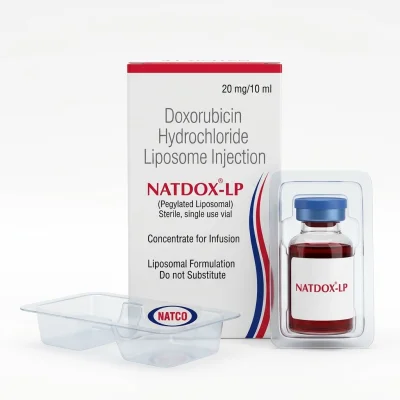
Natdox-LP
View
Natco
20 mg/10 ml 1 vial
1565₴ 1699₴
✅ All products loaded (1)

Contact us

Choose a convenient way to contact

We work daily from 9:00 to 20:00