
Buy Lomustine (Gleostine) online

Price: 1,500 UAH

Known as original brand(s)

Gleostine

Buy Lomustine (Gleostine) online with delivery. Browse medicines that contain Lomustine, compare doses and prices.

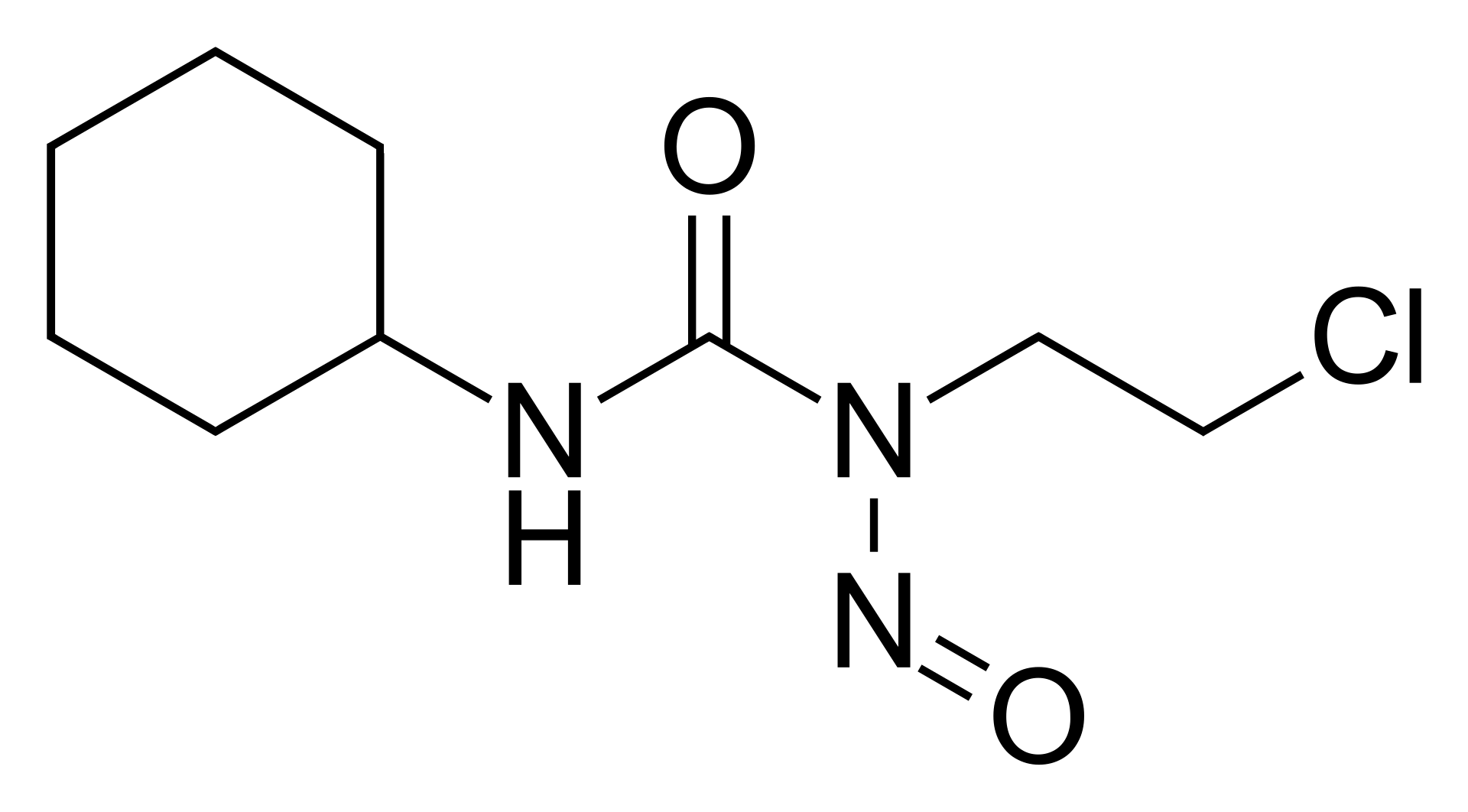
Lomustine (CCNU) is a synthetic bifunctional alkylating antineoplastic agent belonging to the nitrosourea class, originally marketed under the brand name Ceenu. It is widely used in neuro-oncology and hematology for the treatment of primary and metastatic brain tumors, lymphomas, and selected solid malignancies.

The mechanism of action of lomustine relies on its high lipid solubility, allowing it to rapidly cross the blood-brain barrier (BBB). Inside cells, lomustine decomposes to generate active alkylating and carbamoylating intermediates that cross-link DNA and RNA strands, inhibit key enzymatic pathways, and disrupt cancer cell replication.

Clinical administration of lomustine is particularly valuable in managing central nervous system malignancies (glioblastoma, astrocytoma) where water-soluble chemotherapeutic agents fail to penetrate effectively.
Wikipedia page
Lomustine (Gleostine)

Indications

Lomustine is indicated in clinical oncology for the following conditions:

  • Brain Tumors: Treatment of primary central nervous system tumors (glioblastoma, anaplastic astrocytoma, medulloblastoma) as primary therapy or upon relapse.
  • Hodgkin's Lymphoma: Combination chemotherapy in patients with relapsed or refractory Hodgkin's disease.
  • Non-Hodgkin's Lymphomas: Management of progressive non-Hodgkin's lymphomas.
  • Other Solid Tumors (Off-label): Malignant melanoma and lung cancer in specialized protocols.

Dosage and administration

Lomustine is administered exclusively via the oral route:

  • Recommended Dosage (Adults & Pediatrics): As a single agent, the standard dose is 100 to 130 mg/m² of body surface area administered as a single oral dose every 6 weeks.
  • Retreatment Criteria: Subsequent courses should not be administered until bone marrow recovery has occurred (platelets above 100,000/mcL, leukocytes above 4,000/mcL).
  • Reduced Dosing: Patients with compromised bone marrow function should have their starting dose reduced to 100 mg/m² every 6 weeks.
  • Administration Technique: Capsules should be taken on an empty stomach (1 to 2 hours before or after meals) with water to minimize nausea. Administered as a single dose per cycle.
  • Monitoring: Complete blood counts with platelet differentials must be monitored weekly for at least 6 weeks following administration due to delayed myelosuppression.
Lomustine is contraindicated in the following cases:

  • Severe Myelosuppression: Pre-existing severe bone marrow depression (leukopenia or thrombocytopenia).
  • Hypersensitivity: Known hypersensitivity to lomustine or other nitrosourea derivatives.
  • Severe Organ Impairment: Significant hepatic or renal dysfunction.
  • Pregnancy and Lactation: Pregnancy and breastfeeding periods due to severe teratogenic and mutagenic potential.

Treatment with lomustine may cause the following adverse reactions:

  • Delayed Myelosuppression: Thrombocytopenia and leukopenia occur 4 to 6 weeks post-administration and can persist for up to 6 weeks (dose-limiting toxicity).
  • Gastrointestinal: Severe nausea and vomiting (manifesting 2 to 6 hours after ingestion and lasting up to 24 hours, requiring prophylactic antiemetics), anorexia, and stomatitis.
  • Nervous System: Dizziness, disorientation, lethargy, and ataxia at high cumulative doses.
  • Pulmonary Toxicity: Pulmonary fibrosis and interstitial infiltrates (rare, typically associated with long-term cumulative dosing).
  • Hepatotoxicity: Transient elevations in serum transaminases and bilirubin.

Frequently Asked Questions

Lomustine is a synthetic bifunctional alkylating agent belonging to the nitrosourea group, characterized by high lipophilicity and the ability to readily cross the blood-brain barrier. Its primary mechanism of action involves the alkylation of nucleic acids, disruption of DNA replication processes, and the formation of interstrand cross-links, leading to tumor cell death. The drug exerts cytotoxic effects regardless of the cell cycle phase, actively damaging both dividing and resting neoplastic cells. Following oral administration, the active substance is rapidly absorbed from the gastrointestinal tract and undergoes extensive hepatic metabolism into active intermediates. Elimination of the metabolites occurs predominantly through the kidneys within the first twenty-four hours after administration.
The primary indication for prescribing Lomustine is the treatment of primary and metastatic central nervous system tumors, including glioblastomas, medulloblastomas, and astrocytomas. The drug is widely used in combination chemotherapy regimens for malignant lymphomas, Hodgkin disease, and small cell lung cancer. The medication is effectively utilized in cases of tumor recurrence due to its ability to penetrate brain tissue. Therapy helps slow disease progression and improves survival rates in cancer patients. The prescription of the drug is carried out exclusively by an oncologist in a specialized inpatient setting based on an individual treatment protocol.
Lomustine is available in oral capsules and is typically administered as a single dose once every six weeks. Capsules should be swallowed whole with water, on an empty stomach or several hours after meals to prevent nausea. Dosage calculation is performed strictly individually by the attending physician based on the patient's body surface area and prior hematological toxicity parameters. Due to the delayed myelosuppressive action of nitrosoureas, repeat courses of treatment are prescribed no earlier than six weeks after blood counts have recovered. Unauthorized modification of the dosage or shortening of intervals between administrations is strictly prohibited due to the risk of severe cumulative myelosuppression.
The most frequent and serious side effect of Lomustine is pronounced delayed myelosuppression, manifesting as leukopenia and thrombocytopenia, which typically reach their nadir four to six weeks post-administration. Nausea and vomiting also frequently occur within the first hours after intake, necessitating the prior administration of antiemetic medications. Long-term use can lead to cumulative pulmonary toxicity with the development of pulmonary fibrosis, as well as impaired hepatic and renal functions. To monitor safety, regular weekly complete blood count monitoring throughout the post-administration period is required, along with internal organ function assessments. If signs of bleeding, infection, or shortness of breath occur, the patient requires immediate medical attention.
Concomitant administration of Lomustine with other myelotoxic agents or radiation therapy significantly increases bone marrow depression and raises the risk of severe infectious complications. The drug is metabolized in the liver, so co-administration with cytochrome P450 enzyme inducers or inhibitors can alter its pharmacokinetic profile and toxicity. Contraindications include marked bone marrow suppression, severe renal or hepatic impairment, and hypersensitivity to nitrosourea compounds. The drug is not prescribed to pregnant and breastfeeding women due to the high risk of teratogenic and embryotoxic effects. Women and men of reproductive potential must use reliable contraceptive methods during therapy and for several months following its completion.

Medicines containing Lomustine

-12%
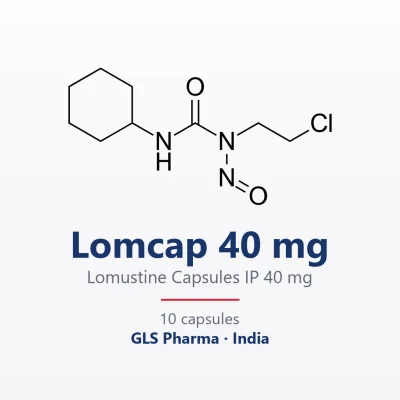
Lomcap
View
GLS
40 mg 10 capsules
1500₴ 1700₴
✅ All products loaded (1)

Contact us

Choose a convenient way to contact

We work daily from 9:00 to 20:00