
Buy Mycophenolic acid (Myfortic) online

Price: 5,900 UAH

Known as original brand(s)

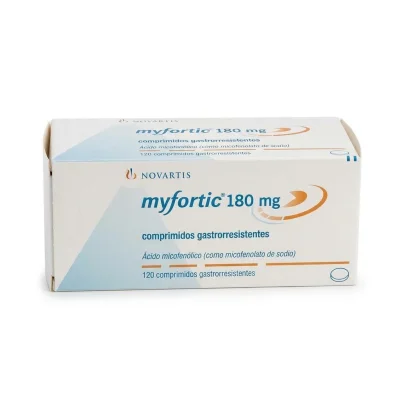
Myfortic

Buy Mycophenolic acid (Myfortic) online with delivery. Browse medicines that contain Mycophenolic acid, compare doses and prices.

Mycophenolic acid (MPA) is a potent, selective, non-competitive, and reversible inhibitor of inosine monophosphate dehydrogenase (IMPDH), originally marketed as enteric-coated sodium mycophenolate under the brand name Myfortic (widely recognized alongside its prodrug mycophenolate mofetil under CellCept). It is indicated in transplantation medicine to prevent acute organ rejection in patients receiving kidney, heart, or liver allografts.

The mechanism of action of mycophenolic acid involves the blockade of the de novo pathway of guanosine nucleotide synthesis, which is critical for the proliferation of T- and B-lymphocytes. Because other cell types utilize salvage pathways for purine synthesis, lymphocytes exhibit selective susceptibility to MPA. This allows for effective suppression of cellular immune responses without generalized systemic toxicity.

Clinical administration of mycophenolic acid combined with calcineurin inhibitors (tacrolimus, cyclosporine) and corticosteroids significantly reduces the incidence of acute rejection episodes and improves long-term allograft survival.
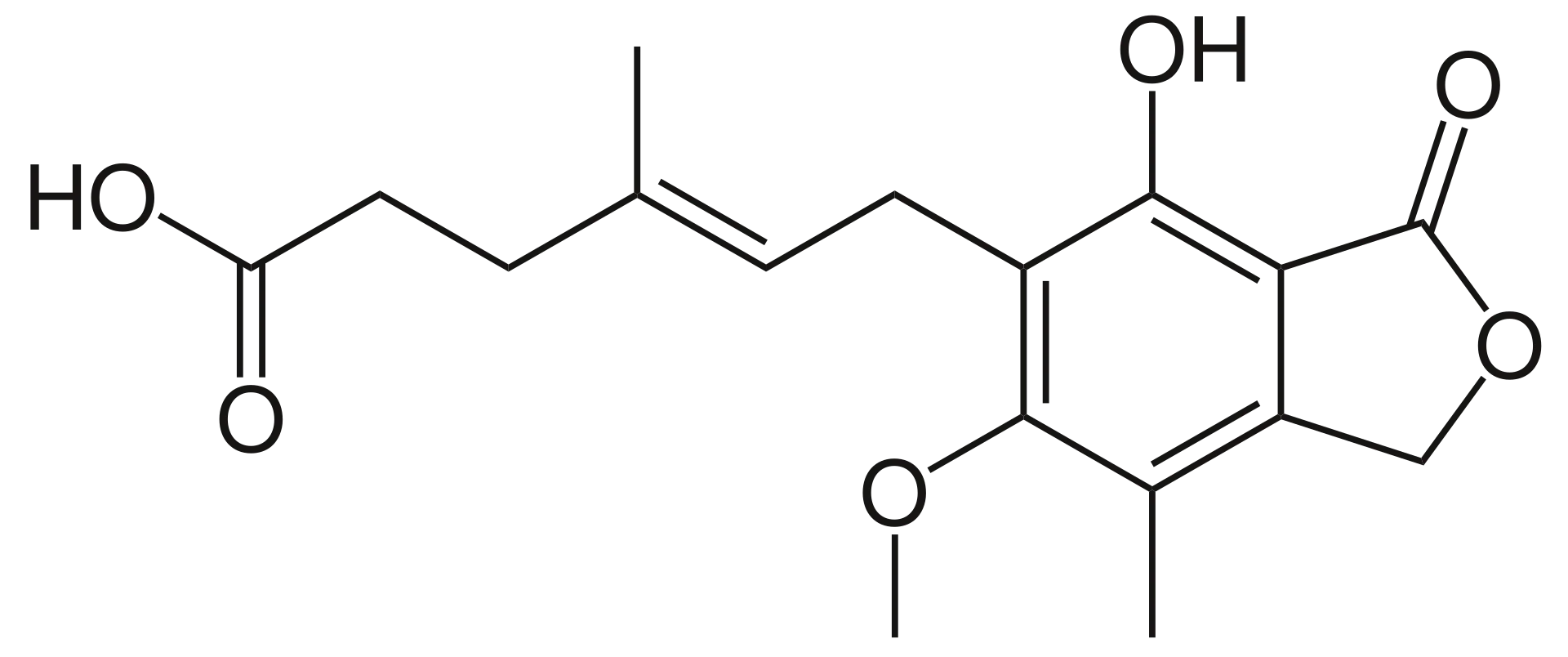
Wikipedia page
Mycophenolic acid (Myfortic)

Indications

Mycophenolic acid is indicated in clinical transplantation for the following conditions:

  • Kidney Transplantation: Prophylaxis of acute organ rejection in adult and pediatric patients (aged 2 years and older) receiving allogeneic renal transplants (as part of a combination immunosuppressive regimen).
  • Other Solid Organs (Off-label / Standard Protocols): Prevention of rejection in heart, liver, or multi-organ transplants where alternative immunosuppressants are not tolerated.
  • Autoimmune Disorders (Off-label): Management of severe lupus nephritis, refractory vasculitis, and other autoimmune conditions.
  • Formulation Benefits (Myfortic): The enteric-coated formulation releases MPA in the duodenum, reducing upper gastrointestinal adverse effects compared to mycophenolate mofetil.

Dosage and administration

Mycophenolic acid dosing is individualized based on patient tolerance and clinical response:

  • Recommended Renal Transplant Dosage (Myfortic): The standard dose is 720 mg (equivalent to 360 mg mycophenolic acid per tablet) administered twice daily (total daily dose 1440 mg), taken with or without food.
  • Equivalency (Mycophenolate Mofetil / CellCept): Equivalent total exposure is typically achieved with 1000–1500 mg administered twice daily.
  • Administration Method: Myfortic tablets must be swallowed whole without crushing, splitting, or chewing to preserve the protective enteric-coated integrity.
  • Monitoring: Regular complete blood counts (monitoring for leukopenia and anemia) and assessment of renal and hepatic function are mandatory. Therapeutic drug monitoring (AUC) is performed when clinically indicated.
Mycophenolic acid is contraindicated in the following cases:

  • Hypersensitivity: Known hypersensitivity to mycophenolic acid, sodium mycophenolate, mycophenolate mofetil, or any formulation excipients.
  • Pregnancy and Lactation: Pregnancy (associated with a significantly increased risk of spontaneous abortions and congenital malformations) and breastfeeding periods.
  • Women of Childbearing Potential: Use without effective, reliable contraception methods.
  • Severe Metabolic Conditions: Rare hereditary deficiencies in purine metabolism pathways.

Treatment with mycophenolic acid may cause the following adverse reactions:

  • Hematologic: Leukopenia, anemia, neutropenia, thrombocytopenia, and pancytopenia.
  • Gastrointestinal: Diarrhea, nausea, vomiting, abdominal pain, constipation, dyspepsia, gastritis, and colitis.
  • Infections: Increased susceptibility to opportunistic infections (cytomegalovirus, herpes simplex, candidiasis, and bacterial sepsis).
  • General Disorders: Fatigue, asthenia, headache, and peripheral edema.
  • Laboratory Abnormalities: Elevated serum creatinine, liver transaminases, and electrolyte disturbances (hypokalemia, hypomagnesemia).

Frequently Asked Questions

Mycophenolic acid is a potent, selective, non-competitive, and reversible inhibitor of inosine monophosphate dehydrogenase, a key enzyme in the de novo pathway of guanine nucleotide synthesis. Because the proliferation of T and B lymphocytes relies much more heavily on this nucleotide synthesis pathway compared to other cells in the body, the drug selectively suppresses their division and immune response. This leads to an effective reduction in lymphocyte proliferation, decreased antibody production, and suppression of cell-mediated rejection reactions in transplanted organs. Following oral administration, the active substance is rapidly absorbed from the gastrointestinal tract and metabolized primarily into an inactive glucuronide metabolite. The pharmacokinetics of the drug is characterized by enterohepatic recirculation, which provides a secondary increase in the active substance concentration in blood plasma.
The primary indication for prescribing Mycophenolic acid is the prophylaxis of acute transplant rejection in adult patients undergoing allogeneic kidney, heart, or liver transplantation. The drug is traditionally used as part of combination immunosuppressive therapy together with cyclosporine and corticosteroids to achieve a synergistic protective effect. The medication is also utilized for the treatment of chronic transplant rejection or in cases of resistance to other immunosuppressive regimens. The application of the drug significantly reduces the frequency of transplanted organ rejection episodes and improves long-term graft survival rates. Prescription and dosage adjustments are carried out exclusively by a transplant specialist in a specialized inpatient setting.
The drug is available as oral tablets or capsules and is taken twice daily, in the morning and evening, regardless of food intake unless otherwise prescribed by a physician. Tablets should be swallowed whole with water, without breaking, chewing, or crushing their coating to prevent irritation of the gastrointestinal mucosa. The daily dose is selected strictly individually by the attending physician based on the specifics of the transplanted organ and the combination therapy protocol. In case of a missed dose, it should be taken as soon as possible, but if the time for the next dose is near, the missed dose is skipped and the regular schedule is resumed. Unauthorized interruption of treatment or dosage modification is strictly unacceptable due to the high risk of organ rejection.
During treatment, patients frequently experience gastrointestinal disturbances such as diarrhea, nausea, vomiting, abdominal pain, and inflammation of the digestive tract mucosa. Hematological adverse effects may include leukopenia, anemia, thrombocytopenia, and increased susceptibility to severe bacterial, viral, and fungal infections. To monitor adverse reactions, regular laboratory monitoring of complete blood counts with differential is required at least weekly during the first months of therapy. If signs of infectious diseases or prominent hematological toxicity appear, the physician implements temporary drug discontinuation or dosage adjustment. Patients are advised to avoid contact with infected individuals and regularly undergo preventive medical check-ups.
Concurrent administration of Mycophenolic acid with magnesium and aluminum hydroxide-containing antacids, as well as bile acid sequestrants like cholestyramine, impairs drug absorption and decreases its blood concentration. Co-administration with acyclovir or ganciclovir may cause a mutual increase in blood concentrations and raise the risk of toxic manifestations. The drug is contraindicated in patients with hypersensitivity to mycophenolate sodium or acid, as well as during pregnancy and breastfeeding due to the high risk of teratogenic effects and congenital malformations. Women and men of reproductive potential must use reliable contraceptive methods during therapy and for a specified period following its completion. Prior to treatment initiation, a thorough patient evaluation is required to rule out active infections and malignant neoplasms.

Medicines containing Mycophenolic acid

-8%
Myfortic
View
Novartis
180 mg 120 tablets
5900₴ 6400₴
✅ All products loaded (1)

Contact us

Choose a convenient way to contact

We work daily from 9:00 to 20:00