
Buy Tacrolimus (Prograf) online

Price: 5,200 UAH

Known as original brand(s)

Prograf

Buy Tacrolimus (Prograf) online with delivery. Browse medicines that contain Tacrolimus, compare doses and prices.

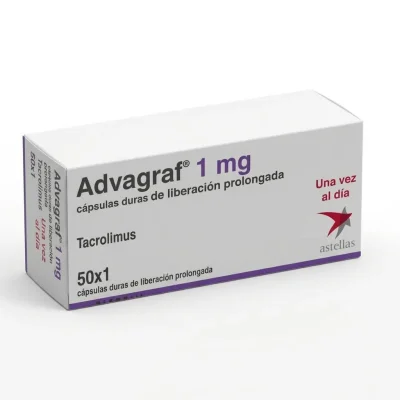
Tacrolimus is a potent macrolide immunosuppressive agent produced by the soil fungus Streptomyces tsukubaensis, originally marketed under the brand name Prograf (and as prolonged-release capsules under Advagraf). It is widely utilized in transplantation medicine to prevent rejection of solid organ allografts (kidney, liver, heart), as well as in dermatology and rheumatology.

The mechanism of action of tacrolimus involves binding to the cytosolic immunophilin FKBP12. The resulting complex inhibits calcineurin, a phosphatase required for the activation of interleukin-2 (IL-2) transcription and other cytokines critical for T-lymphocyte differentiation and proliferation. This provides selective suppression of the cellular immune response.

Clinical utilization of tacrolimus ensures high graft survival rates and effective control over allogeneic immune responses, though it requires strict therapeutic drug monitoring (TDM) of blood concentrations.
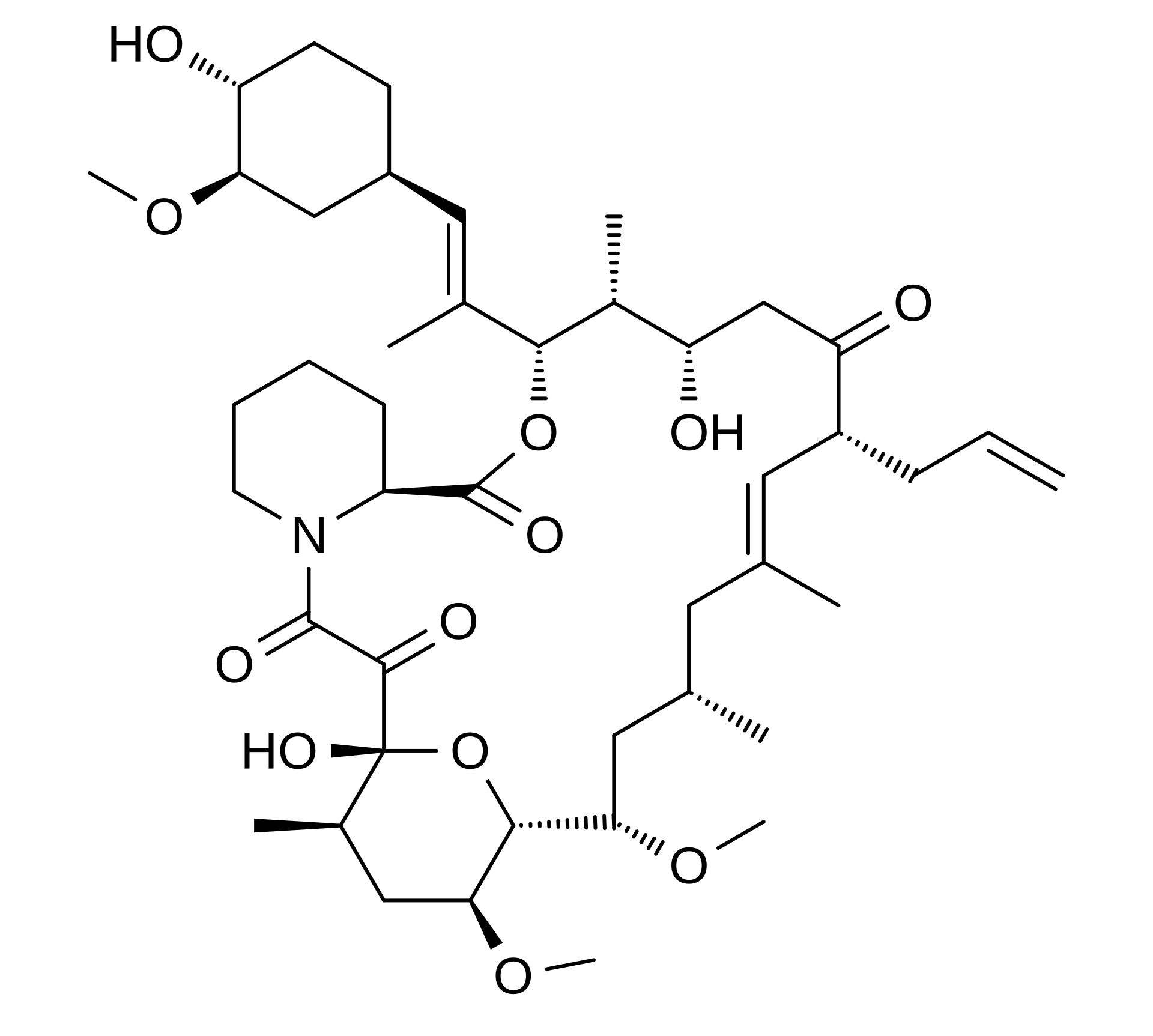
Wikipedia page
Tacrolimus (Prograf)

Indications

Tacrolimus is indicated in clinical practice for the following conditions:

  • Organ Transplantation: Prevention of graft rejection in kidney, liver, heart, or multi-organ transplant recipients (adults and children).
  • Refractoriness: Treatment of allograft rejection resistant to other immunosuppressive therapies.
  • Dermatological & Autoimmune (Topical/Systemic): Treatment of moderate to severe atopic dermatitis via topical ointments, alongside off-label systemic use in severe autoimmune disorders.
  • Ophthalmology: Treatment of severe vernal keratoconjunctivitis via ophthalmic formulations.

Dosage and administration

Tacrolimus dosing must be individualized based on clinical assessments and regular therapeutic drug monitoring of whole blood trough levels:

  • Oral Administration (Prograf Capsules): Typically administered in two divided doses daily (morning and evening). Food significantly decreases the absorption rate; therefore, capsules should be taken on an empty stomach or at least 1 hour before or 2 hours after a meal.
  • Extended-Release Formulations (Advagraf): Administered once daily in the morning on an empty stomach.
  • Initial Post-Transplant Dosing: Initial oral doses for kidney transplantation generally range from 0.2 to 0.3 mg/kg/day divided into two doses; for liver transplantation, 0.10 to 0.15 mg/kg/day.
  • Monitoring: Regular measurement of whole blood trough concentrations (C0) is mandatory to prevent nephrotoxicity or graft rejection.
Tacrolimus is contraindicated in the following cases:

  • Hypersensitivity: Known hypersensitivity to tacrolimus, other macrolides, or any formulation excipients.
  • Pregnancy and Lactation: Pregnancy (use only if potential benefit outweighs the fetal risk) and breastfeeding (tacrolimus is excreted in breast milk).
  • Drug Interactions: Concomitant administration with contraindicated strong CYP3A4 inhibitors or inducers without proper monitoring capabilities.

Treatment with tacrolimus may cause the following adverse reactions:

  • Nephrotoxicity: Impaired renal function, elevated serum creatinine and blood urea nitrogen, and hyperkalemia.
  • Metabolic Disturbances: Post-transplant new-onset diabetes mellitus (hyperglycemia), hypomagnesemia, and hypercholesterolemia.
  • Nervous System: Tremor, headache, insomnia, paresthesia, seizures, and encephalopathy (at high therapeutic levels).
  • Cardiovascular: Hypertension and tachycardia.
  • Gastrointestinal: Diarrhea, nausea, vomiting, abdominal pain, and elevated liver enzymes.
  • Immune System: Increased susceptibility to opportunistic infections and malignancies due to chronic immunosuppression.

Frequently Asked Questions

Tacrolimus is a potent macrolide immunosuppressant of natural origin that effectively suppresses the cellular immune response in the human body. Its primary mechanism of action involves binding to the cytoplasmic protein FKBP12, forming a complex that inhibits calcineurin, an enzyme necessary for the transcriptional activation of interleukin-2 and other cytokines. This prevents T-lymphocyte activation, proliferation of cytotoxic cells, and the rejection of transplanted organs. The drug exhibits pronounced immunosuppressive activity and is widely used for the prophylaxis of organ transplant rejection in kidney or liver recipients. Absorption of the active substance from the gastrointestinal tract is rapid, and its metabolism occurs primarily in the liver via the cytochrome P450 enzyme system.
The primary indication for prescribing Tacrolimus is the prevention and treatment of graft rejection in patients undergoing allogeneic liver or kidney transplantation. The drug is also successfully used for the management of organ rejection that has proven resistant to other immunosuppressive agents. In dermatological practice, topical formulations of tacrolimus as an ointment are used to treat atopic dermatitis and eczema when standard therapy with topical corticosteroids is ineffective. The medication reliably suppresses unwanted immune responses and ensures long-term graft survival and acceptance. The prescription of the drug and dosage selection are carried out exclusively by a specialized transplant physician or dermatologist.
Oral tacrolimus capsules are taken twice daily, in the morning and evening, with a sufficient amount of water, generally on an empty stomach or one to two hours after a meal to ensure optimal absorption. The daily dose is divided into two equal administrations, and the interval between them should be approximately twelve hours. Food intake significantly reduces the rate and extent of drug absorption, so a consistent regimen relative to meals must be maintained. Independent dosage modification or missed doses are strictly unacceptable, as this can lead to organ rejection or toxicity. Treatment requires continuous monitoring of blood drug concentrations for precise dose adjustment.
During treatment with Tacrolimus, patients frequently experience nephrotoxicity, neurotoxicity, arterial hypertension, hyperglycemia, and increased susceptibility to infectious diseases. Patients may report tremor, headaches, insomnia, paresthesias, as well as gastrointestinal disorders and impaired renal function. To monitor side effects, regular laboratory assessment of creatinine, glucose, electrolytes, and whole blood tacrolimus trough concentrations is mandatory. Careful monitoring of blood pressure and early detection of opportunistic infections are also required. If pronounced symptoms of toxicity appear, the physician adjusts the drug dosage to minimize risks.
Tacrolimus is metabolized by the hepatic enzyme CYP3A4, therefore concurrent administration with strong inhibitors of this enzyme, such as ketoconazole, erythromycin, or grapefruit juice, can sharply increase its blood concentration and cause toxicity. Conversely, CYP3A4 inducers including rifampin and St. John's wort decrease drug levels, raising the risk of graft rejection. The drug is contraindicated in patients with hypersensitivity to tacrolimus or other macrolides, as well as during breastfeeding due to excretion into breast milk. Women and men of reproductive potential must use reliable contraceptive methods during therapy. Prior to treatment and throughout the entire course, strict medical monitoring of renal function, hepatic function, and blood pressure levels is required.

Medicines containing Tacrolimus

-8%
Advagraf
View
Astellas
1 mg 50 capsules
5200₴ 5650₴
✅ All products loaded (1)

Contact us

Choose a convenient way to contact

We work daily from 9:00 to 20:00