
Buy Thiotepa (Tepadina) online

Price: from 8,493 to 33,302 UAH

Known as original brand(s)

Tepadina

Buy Thiotepa (Tepadina) online with delivery. Browse medicines that contain Thiotepa, compare doses and prices.

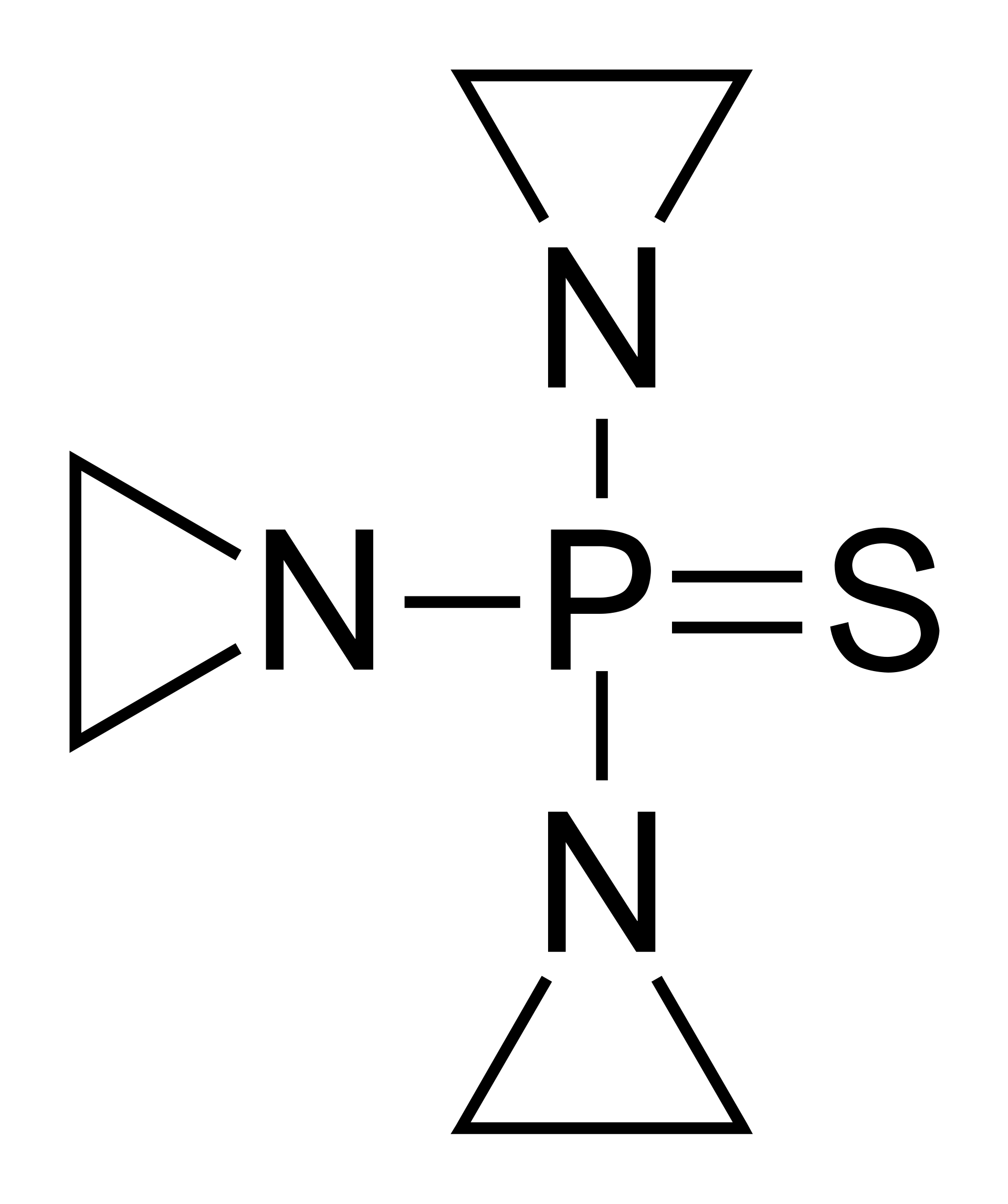
Thiotepa is an ethylenimine-derived alkylating antineoplastic agent originally marketed under the brand name Tepadina. It is widely utilized in hematologic oncology as a component of conditioning regimens prior to hematopoietic stem cell transplantation (HSCT), as well as in the management of solid tumors.

The mechanism of action of thiotepa involves the formation of active ethylenimine radicals that cross-link DNA strands and disrupt nucleic acid synthesis. The drug alkylates guanine residues, inhibits DNA and RNA replication, and blocks cell division. Due to its high lipophilicity, thiotepa readily crosses the blood-brain barrier and penetrates the cerebrospinal fluid.

Clinical administration of thiotepa achieves profound myeloablation and immunosuppression before bone marrow transplantation and controls the progression of breast, ovarian, and bladder malignancies.
Wikipedia page
Thiotepa (Tepadina)

Indications

Thiotepa is indicated in oncology and hematology for the following applications:

  • Conditioning for HSCT: Conditioning regimen prior to autologous or allogeneic hematopoietic stem cell transplantation in adult and pediatric patients with hematologic diseases or solid tumors.
  • Breast and Ovarian Cancer: Palliative treatment of advanced adenocarcinoma of the breast and ovary.
  • Bladder Cancer: Intravesical administration for the prevention of recurrence of superficial bladder papillary carcinoma following transurethral resection.
  • Malignant Effusions: Intracavitary control of malignant pleural, pericardial, or peritoneal effusions.

Dosage and administration

Thiotepa is administered parenterally (intravenously, intracavitary, or intravesically) in a specialized hospital setting:

  • Conditioning Regimens (HSCT): Dosing ranges from 5 mg/kg to 10 mg/kg (or 150 to 900 mg/m² body surface area) depending on the transplantation protocol.
  • Systemic Chemotherapy: For solid tumors, standard doses range from 15 mg/m² to 30 mg/m² every 1 to 4 weeks (or 0.3 to 0.4 mg/kg).
  • Intravesical Administration: Instillation of 30 mg to 60 mg diluted in 30 to 60 mL of sterile water retained in the bladder for 2 hours once weekly for 4 to 8 weeks.
  • Administration Technique: Intravenous infusions are typically administered over 2 to 4 hours. Adequate hydration is required prior to high-dose therapy.
  • Monitoring: Frequent monitoring of complete blood count (leukocytes, neutrophils, platelets) and renal/hepatic function is required.
Thiotepa is contraindicated in the following cases:

  • Severe Myelosuppression: Severe pre-existing bone marrow depression (unless intended for conditioning prior to HSCT).
  • Pregnancy and Lactation: Pregnancy and breastfeeding periods due to embryofetal toxicity.
  • Hypersensitivity: Known severe hypersensitivity to thiotepa or formulation excipients.
  • Vaccination: Concomitant administration with live attenuated vaccines.

Treatment with thiotepa may cause the following adverse reactions:

  • Hematologic: Profound myelosuppression (neutropenia, thrombocytopenia, leukopenia, anemia).
  • Gastrointestinal: Nausea, vomiting, oral mucositis, diarrhea, anorexia, elevated hepatic transaminases and bilirubin.
  • Dermatologic: Skin hyperpigmentation, rash, erythema, alopecia (the drug is excreted in sweat, necessitating frequent skin hygiene in high-dose protocols).
  • Nervous System: Headache, dizziness, confusion, somnolence, and central nervous system toxicity in high-dose settings.
  • Renal & Urinary: Hemorrhagic cystitis, dysuria, hyperuricemia.
  • Reproductive: Amenorrhea, azoospermia, and permanent infertility.

Frequently Asked Questions

Thiotepa is a polyfunctional alkylating antineoplastic agent belonging to the ethyleneimine derivative class. Its mechanism of action involves the formation of covalent bonds with cellular nucleic acids and proteins. By alkylating DNA bases, thiotepa induces interstrand and intrastrand cross-links, causing DNA strand breaks, inhibiting replication, and arresting cell division. This results in the induction of apoptosis in rapidly dividing malignant cells.
Thiotepa is utilized in clinical oncology primarily across two settings. First, it is a key component of high-dose conditioning regimens prior to autologous or allogeneic hematopoietic stem cell transplantation (HSCT) for hematologic malignancies (lymphomas, leukemias, multiple myeloma) and solid tumors in pediatric and adult patients. Second, at conventional doses, it is indicated for adenocarcinoma of the breast, ovarian carcinoma, and as intravesical instillation for the treatment and prophylaxis of superficial bladder carcinoma.
Thiotepa and its active metabolites are partially excreted through the skin via sweat glands. In high-dose conditioning settings, the accumulation of the drug in sweat can lead to significant cutaneous toxicity, including severe skin irritation, chemical burns, hyperpigmentation, and desquamation. To prevent skin breakdown, patients undergoing high-dose regimens must adhere to strict hygiene protocols, including taking showers or sponge baths at least 3 to 4 times daily, changing clothing and bed linens regularly, and avoiding tight or occlusive dressings during and for 24 to 48 hours following completion of the infusion.
For intravesical treatment, thiotepa solution is instilled directly into the urinary bladder via a urethral catheter to target superficial mucosal lesions locally. The solution should be retained in the bladder for approximately 2 hours, during which the patient is instructed to reposition themselves every 15 minutes to ensure uniform drug contact with all mucosal surfaces. Patients are typically advised to restrict fluid intake for 12 hours prior to the procedure to prevent urine dilution. After the 2-hour retention period, the patient voids the bladder completely.
The primary dose-limiting toxicity of thiotepa is severe myelosuppression, resulting in profound leukopenia, neutropenia, thrombocytopenia, and anemia. In high-dose conditioning settings, myeloablation is anticipated and necessitates stem cell rescue. Other notable toxicities include nausea, vomiting, severe mucositis, central nervous system neurotoxicity (ranging from confusion and somnolence to seizures at high doses), and transient hepatic dysfunction. Continuous laboratory monitoring of complete blood counts, hepatic function tests, and renal parameters is essential.

Medicines containing Thiotepa

-7%
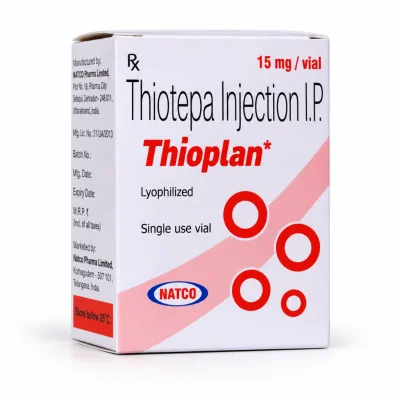
Thioplan 15
View
Natco
15 mg 1 vial
8493₴ 9164₴
-8%
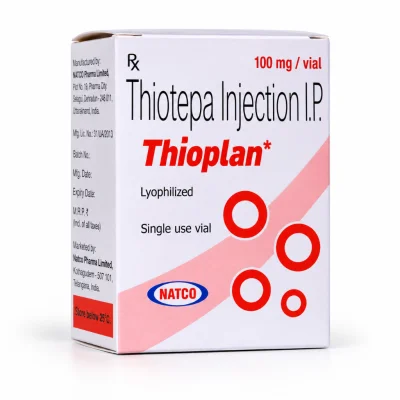
Thioplan 100
View
Natco
100 mg 1 vial
33302₴ 36207₴
✅ All products loaded (2)

Contact us

Choose a convenient way to contact

We work daily from 9:00 to 20:00