
Buy Decitabine (Dacogen) online

Price: 2,056 UAH

Known as original brand(s)

Dacogen

Buy Decitabine (Dacogen) online with delivery. Browse medicines that contain Decitabine, compare doses and prices.

Decitabine is a hypomethylating antineoplastic agent belonging to the nucleoside analogue class (5-aza-2'-deoxycytidine), originally marketed under the brand name Dacogen. It is widely used in hematologic oncology for the management of myelodysplastic syndromes (MDS) and acute myeloid leukemia (AML).

The mechanism of action of decitabine involves its incorporation into DNA during replication and the irreversible inhibition of DNA methyltransferases (DNMTs). At lower doses, this induces DNA hypomethylation and reactivation of tumor suppressor genes, resulting in cellular differentiation or apoptosis of leukemic cells. At higher concentrations, decitabine exerts direct cytotoxic activity.

Clinical administration of decitabine improves hematologic parameters, reduces transfusion dependency, and delays progression to acute leukemia in susceptible patient populations.
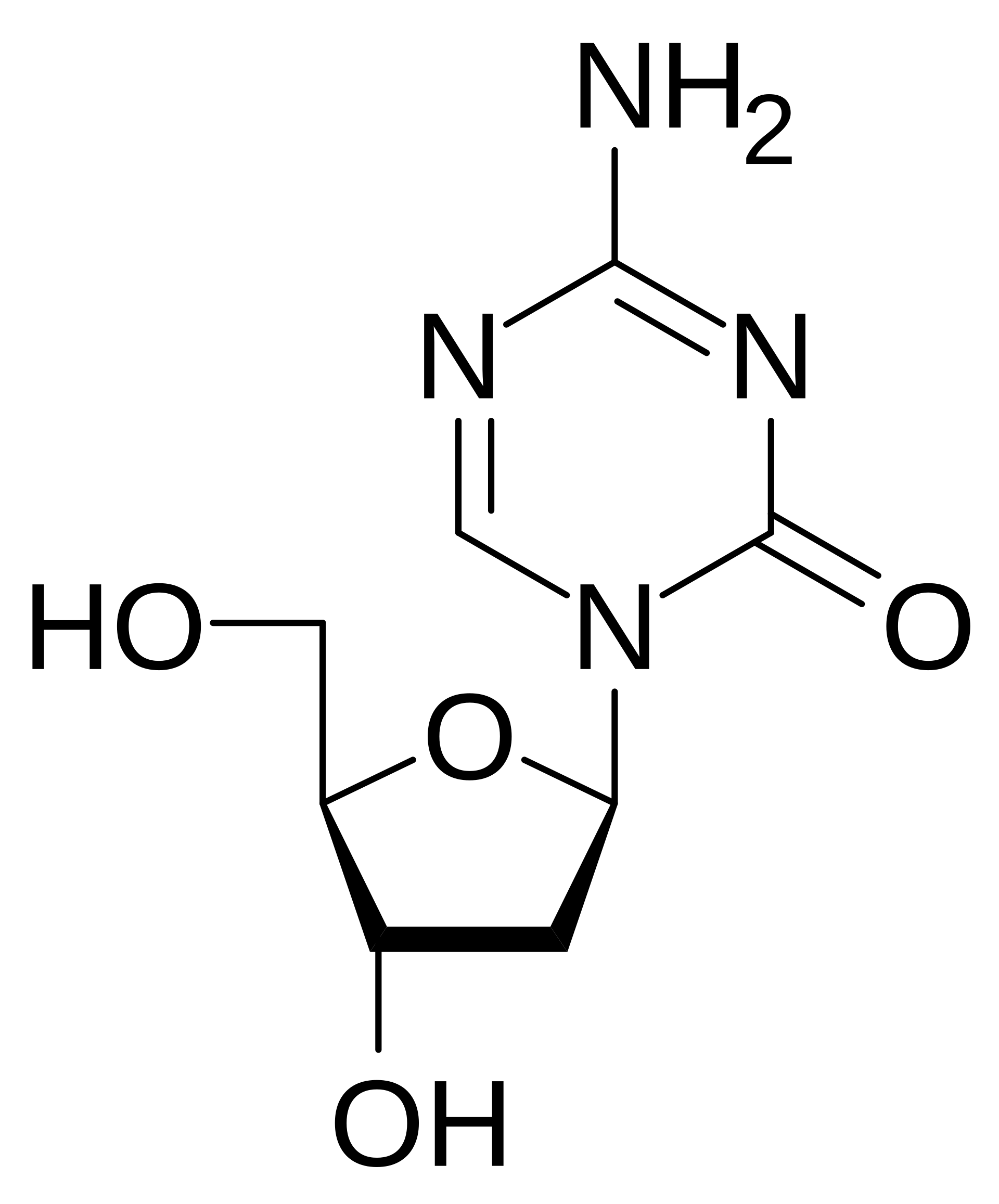
Wikipedia page
Decitabine (Dacogen)

Indications

Decitabine is indicated in clinical hematology for the following conditions:

  • Myelodysplastic Syndromes (MDS): Treatment of adult patients with previously treated and untreated, De novo and secondary MDS of all FAB subtypes and intermediate-1, intermediate-2, and high-risk IPSS groups.
  • Acute Myeloid Leukemia (AML): Treatment of newly diagnosed De novo or secondary AML in adult patients (aged 65 years and older) who are not eligible for standard induction chemotherapy.

Dosage and administration

Decitabine is administered strictly via intravenous infusion under specialist hematological supervision:

  • 3-Day Regimen (MDS): 15 mg/m² body surface area administered by continuous IV infusion over 3 hours every 8 hours for 3 consecutive days (total daily dose 45 mg/m²). Repeated every 6 weeks.
  • 5-Day Regimen (AML/MDS): 20 mg/m² body surface area administered by IV infusion over 1 hour once daily for 5 consecutive days. Repeated every 4 weeks.
  • Treatment Duration: A minimum of 4 cycles is recommended to assess clinical response.
  • Monitoring: Complete blood count, platelet count, and liver/kidney function tests must be performed prior to each treatment cycle.
Decitabine is contraindicated in the following cases:

  • Hypersensitivity: Known severe hypersensitivity to decitabine or formulation excipients.
  • Pregnancy and Lactation: Pregnancy and breastfeeding periods due to embryofetal toxicity.
  • Pediatric Use: Safety and efficacy in pediatric populations have not been established.

Treatment with decitabine may cause the following adverse reactions:

  • Hematologic: Profound myelosuppression (neutropenia, thrombocytopenia, anemia, febrile neutropenia, leukopenia).
  • Infections: Pneumonia, sepsis, and opportunistic bacterial or fungal infections.
  • Gastrointestinal: Nausea, vomiting, diarrhea, constipation, stomatitis, and abdominal pain.
  • General Disorders: Pyrexia, fatigue, headache, and insomnia.
  • Hepatic Laboratory Abnormalities: Hyperbilirubinemia, elevated transaminases (ALT, AST).

Frequently Asked Questions

Decitabine is a hypomethylating antineoplastic agent that acts as a synthetic analog of deoxycytidine. Its mechanism of action involves incorporation into replicating DNA strands, where it irreversibly inhibits the enzyme DNA methyltransferase. This action leads to profound global DNA hypomethylation within bone marrow cells. As a result, aberrantly silenced tumor suppressor genes are reactivated, normal hematopoiesis and cellular differentiation are restored, and apoptotic pathways are induced in malignant clonal cells.
Decitabine is primarily indicated for the treatment of adult patients with myelodysplastic syndromes (MDS), including all subtypes of intermediate- and high-risk primary and secondary MDS. Additionally, it is utilized for the treatment of older or medically compromised patients with acute myeloid leukemia (AML) who are deemed ineligible for intensive induction chemotherapy. The therapy helps normalize blood cell counts, reduce transfusion dependence, and prolong overall survival.
Decitabine is administered intravenously under medical supervision. While multiple schedules exist, the most widely adopted traditional regimen involves administering a dose of 15 mg to 20 mg per square meter of body surface area via a 1-hour intravenous infusion given daily for 5 consecutive days, repeated every 4 weeks. An alternative approved schedule involves dosing over 3 consecutive days per cycle. Treatment is typically continued for at least 4 to 6 cycles to allow sufficient time for a meaningful clinical hematologic response to manifest.
Because decitabine targets bone marrow cellular proliferation, the primary dose-limiting toxicity is severe myelosuppression. During the initial treatment cycles, patients characteristically experience significant decreases in blood counts, including neutropenia (which elevates infection risks), thrombocytopenia (increasing bleeding tendencies), and anemia. Management of these expected myelosuppressive events may require delaying subsequent treatment cycles, administering supportive blood product transfusions (platelets and packed red blood cells), or utilizing growth factors and prophylactic anti-infective medications.
In addition to hematologic suppression, non-hematologic adverse events are common during decitabine treatment. These frequently include fatigue, asthenia, pyrexia (fever, which may indicate febrile neutropenia), gastrointestinal symptoms such as nausea, vomiting, diarrhea, constipation, decreased appetite, and musculoskeletal pain (arthralgia and myalgia). Patients must be carefully monitored and instructed to report any signs of systemic infection, such as chills or high fever, immediately to their healthcare team.

Medicines containing Decitabine

-8%
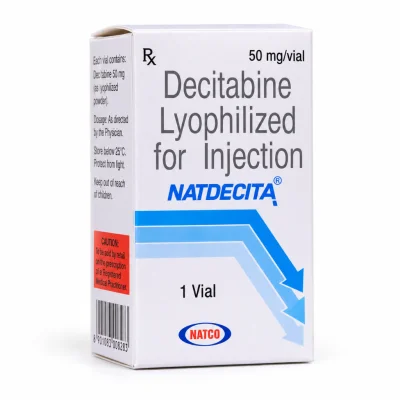
Natdecita
View
Natco
50 mg 1 vial
2056₴ 2235₴
✅ All products loaded (1)

Contact us

Choose a convenient way to contact

We work daily from 9:00 to 20:00