
Buy Ibandronic acid (Bonviva) online

Price: 536 UAH

Known as original brand(s)

Bonviva

Buy Ibandronic acid (Bonviva) online with delivery. Browse medicines that contain Ibandronic acid, compare doses and prices.

Ibandronic acid is a potent third-generation nitrogen-containing bisphosphonate originally marketed under the brand name Bonviva. It is indicated for the prevention and treatment of osteoporosis in postmenopausal women, as well as for reducing the risk of bone fractures and managing skeletal-related events in oncology.

The mechanism of action of ibandronic acid involves selective inhibition of osteoclast activity (bone-resorbing cells) via blockade of the farnesyl pyrophosphate synthase enzyme in the mevalonate pathway. This suppresses bone resorption, increases bone mineral density (BMD), strengthens bone architecture, and reduces the incidence of fragility fractures.

Clinical utilization of ibandronic acid effectively manages bone mass loss through convenient dosing regimens (once-monthly oral tablets or once-every-three-months intravenous injections).
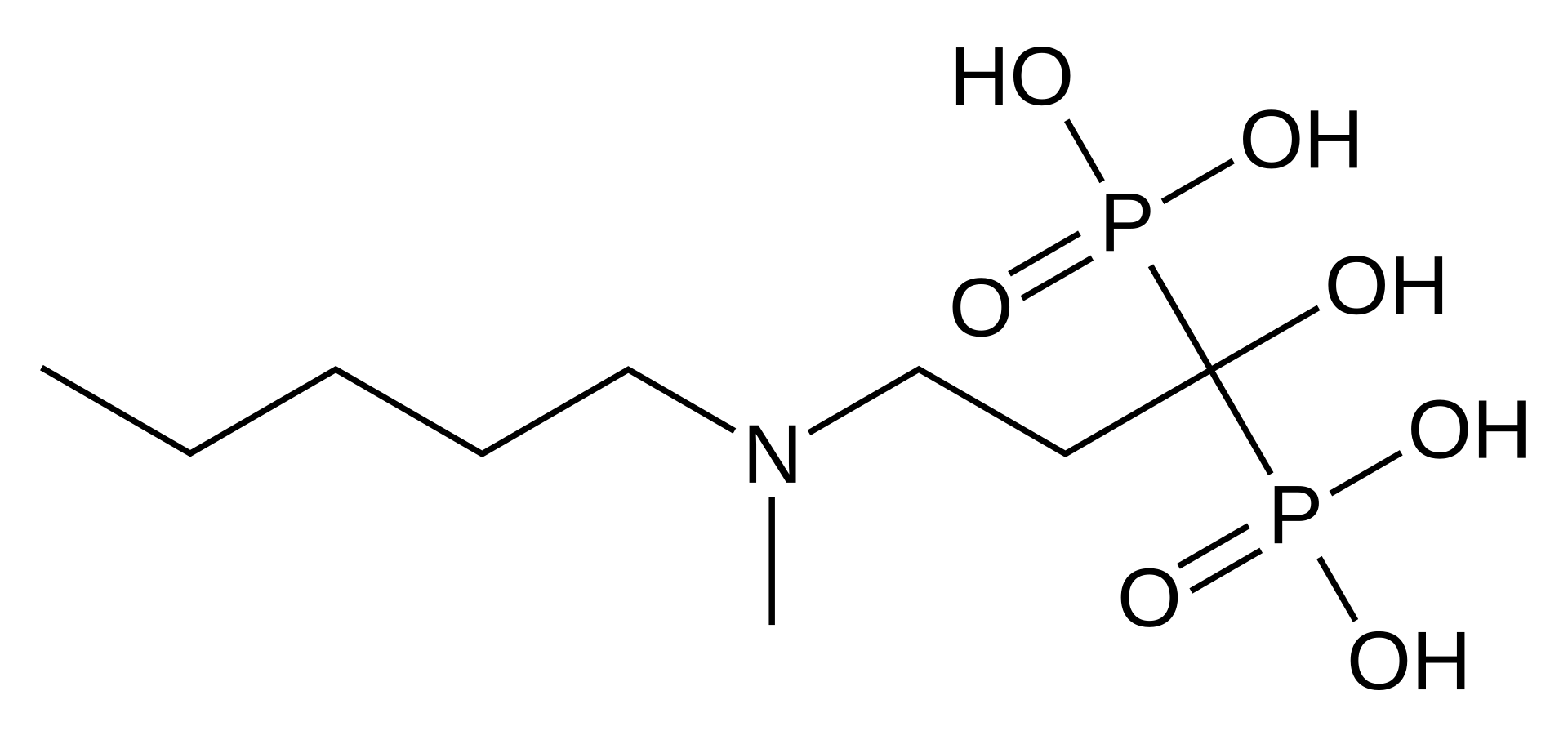
Wikipedia page
Ibandronic acid (Bonviva)

Indications

Ibandronic acid is indicated in clinical practice for the following conditions:

  • Postmenopausal Osteoporosis: Treatment of osteoporosis in postmenopausal women to reduce the risk of vertebral and hip fractures.
  • Osteoporosis Prevention: Prevention of bone loss in women with high fracture risk in early postmenopause.
  • Oncological Indications (IV formulation): Prevention of skeletal-related events (pathological fractures, hypercalcemia, radiation or surgery to bone) in patients with bone metastases from solid tumors.

Dosage and administration

Ibandronic acid is available in oral tablet and intravenous injection formulations:

  • Oral Administration (150 mg tablets): Taken orally once a month on the same date each month. Must be taken in the morning on an empty stomach with a full glass of plain water, and the patient must remain upright (sitting or standing) for 60 minutes. Do not lie down or eat for 1 hour post-dose.
  • Intravenous Administration: 3 mg administered via slow IV injection (over 15–30 seconds) once every 3 months under medical supervision.
  • Monitoring: Baseline and ongoing evaluation of serum calcium, creatinine clearance, and dental health (due to the risk of osteonecrosis of the jaw) are required.
Ibandronic acid is contraindicated in the following cases:

  • Esophageal Disorders: Abnormalities of the esophagus that delay emptying (stricture or achalasia), or inability to stand or sit upright for 60 minutes.
  • Hypocalcemia: Pre-existing severe hypocalcemia (must be corrected prior to initiating therapy).
  • Renal Impairment: Severe renal impairment (creatinine clearance less than 30 mL/min for oral tablets).
  • Hypersensitivity: Known hypersensitivity to ibandronic acid or formulation excipients.
  • Pregnancy and Lactation: Pregnancy and breastfeeding periods.
  • Pediatric Use: Safety and efficacy in children under 18 have not been established.

Treatment with ibandronic acid may cause the following adverse reactions:

  • Gastrointestinal: Dyspepsia, nausea, heartburn, abdominal pain, esophagitis, or gastritis (associated with oral formulations).
  • Musculoskeletal: Arthralgia, myalgia, bone pain, and muscle cramps.
  • Nervous System: Headache, dizziness, and fatigue.
  • Flu-like Symptoms: Transient fever, chills, and myalgia (commonly reported after IV administration).
  • Rare Complications: Osteonecrosis of the jaw (ONJ) and atypical subtrochanteric femoral fractures with long-term use.

Frequently Asked Questions

Ibandronic acid is a potent third-generation nitrogen-containing bisphosphonate that selectively inhibits the activity of osteoclasts, the cells responsible for bone resorption and breakdown. The drug binds tightly to bone mineralization sites, blocking enzymatic processes within osteoclasts and inducing their apoptosis, which leads to a reduced rate of bone turnover. Through this mechanism, a gradual increase in bone mineral density and strengthening of the structural framework is achieved. Absorption of the active substance after oral administration occurs quite rapidly, yet its bioavailability remains relatively low and requires strict adherence to administration rules. Elimination of the drug is carried out exclusively by the kidneys in unchanged form without accumulation in the body during continuous treatment.
The main indication for prescribing Ibandronic acid is the treatment and prevention of osteoporosis in postmenopausal women, which significantly reduces the risk of vertebral compression fractures. The drug is effectively used to strengthen bone tissue in conditions accompanied by an increased risk of fractures due to decreased skeletal mineral density. In addition, the medication is used as part of combination therapy to prevent bone complications in cancer patients with bone metastases. In clinical practice, it is prescribed to patients who require long-term support for bone skeletal strength with the convenience of infrequent dosing regimens. The therapy effectively slows down destructive processes in bones and improves overall mineralization parameters.
For the oral dosage form, the drug is taken once a month on the exact same designated day, sixty minutes before the first meal or drink of the day other than plain water. The tablet must be swallowed whole with a full glass of plain water while sitting or standing upright, and lying down should be avoided for one hour after intake. It is strictly forbidden to wash down the drug with mineral water, juices, tea, or coffee, or to suck or chew the tablet due to the risk of oral cavity and esophageal mucosal ulceration. In case of a missed monthly dose, the tablet should be taken the following morning after the omission is discovered, after which the regular once-a-month schedule is resumed. Two tablets should not be taken within the same week to avoid overdose and adverse reactions.
During treatment, patients may experience dyspeptic disorders, heartburn, esophagitis, abdominal pain, as well as headaches and flu-like symptoms following injections. Special attention should be paid to dental and oral health, as long-term use of bisphosphonates is associated with a rare risk of jaw osteonecrosis. Prior to starting treatment, a dental check-up and sanitation are recommended, and complex dental procedures should be avoided during the therapy course. Transient pain in muscles, joints, or bones may also occur and can be managed with standard analgesics if necessary. To monitor treatment efficacy and safety, patients are prescribed regular blood laboratory tests and skeletal densitometry examinations.
Concomitant intake of Ibandronic acid with antacids, calcium, magnesium, iron, or aluminum preparations impairs the absorption of the active substance, thus requiring an interval of at least two hours between their administrations. Food and beverages also significantly reduce the absorption of the drug when taken orally. The drug is contraindicated in patients with marked hypocalcemia, severe renal impairment with a creatinine clearance below thirty milliliters per minute, and inability to stand or sit upright for one hour. The medication is not prescribed to pregnant women, nursing mothers, and children due to insufficient safety data. Prior to initiating therapy, it is necessary to pre-correct calcium and vitamin D levels in the body.

Medicines containing Ibandronic acid

-8%
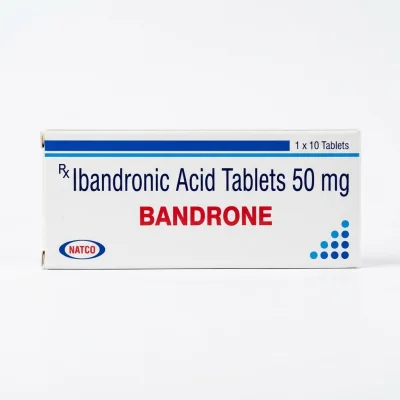
Bandrone
View
Natco
50 mg 10 tablets
536₴ 581₴
✅ All products loaded (1)

Contact us

Choose a convenient way to contact

We work daily from 9:00 to 20:00