
Buy Rasburicase (Fasturtec) online

Price: 3,978 UAH

Known as original brand(s)

Fasturtec

Buy Rasburicase (Fasturtec) online with delivery. Browse medicines that contain Rasburicase, compare doses and prices.

Rasburicase is a recombinant urate-oxidase enzyme (a tetrameric protein produced by genetically modified Saccharomyces cerevisiae) originally marketed under the brand name Fasturtec (known in the US as Elitek). It is indicated in hematologic oncology for the prevention and treatment of acute hyperuricemia in patients at high risk of tumor lysis syndrome (TLS) during initial induction chemotherapy.

The mechanism of action of rasburicase involves the catalytic oxidation of poorly soluble uric acid into allantoin, an inactive and highly soluble metabolite easily excreted by the kidneys. Unlike allopurinol, which only blocks uric acid production by inhibiting xanthine oxidase, rasburicase enzymatically degrades circulating uric acid, achieving rapid plasma uric acid reduction within 4 hours of the first dose.

Clinical administration of rasburicase effectively prevents acute renal failure resulting from massive tumor cell breakdown in hematological malignancies (acute leukemias, high-grade lymphomas).
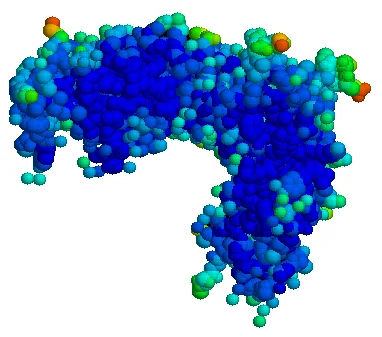
Wikipedia page
Rasburicase (Fasturtec)

Indications

Rasburicase is indicated in clinical hematology for the following conditions:

  • Management of Hyperuricemia: Prevention and treatment of acute hyperuricemia to rapidly lower plasma uric acid levels in adult and pediatric patients with hematologic malignancies (acute lymphoblastic leukemia, acute myeloid leukemia, non-Hodgkin lymphoma) who have high tumor burden and are at high risk for tumor lysis syndrome upon initiation of chemotherapy.

Dosage and administration

Rasburicase is administered exclusively via intravenous infusion in a hospital setting under strict protocols:

  • Recommended Dosage: 0.20 mg/kg body weight per day for both adult and pediatric patients.
  • Treatment Duration: Administered once daily for 5 days (typical course ranges from 3 to 7 days based on serial uric acid monitoring and clinical response).
  • Administration Technique: Reconstitute and dilute the calculated dose in 50 mL of 0.9% sodium chloride injection and infuse intravenously over 30 minutes. Do not use glucose solutions for dilution.
  • Laboratory Monitoring: Blood samples for uric acid assays must be collected in chilled tubes and placed on ice immediately to prevent in vitro enzymatic degradation of uric acid by residual rasburicase prior to analysis.
Rasburicase is contraindicated in the following cases:

  • G6PD Deficiency: Glucose-6-phosphate dehydrogenase (G6PD) deficiency and other cellular metabolic disorders predisposing to hemolytic anemia (hydrogen peroxide generated during urate breakdown can precipitate severe hemolysis in G6PD-deficient patients).
  • Hypersensitivity: Known hypersensitivity to rasburicase, urate oxidases, or any formulation excipients.
  • Pregnancy and Lactation: Pregnancy and breastfeeding periods due to unknown safety profiles.

Treatment with rasburicase is generally well tolerated, but the following adverse reactions may occur:

  • Allergic & Immune Reactions: Anaphylaxis, bronchospasm, rash, and urticaria due to the protein nature of the recombinant enzyme.
  • Hematologic: Hemolytic anemia (in patients with G6PD deficiency) and methemoglobinemia.
  • Gastrointestinal: Nausea, vomiting, diarrhea, and abdominal pain.
  • Nervous System: Headache, convulsions, fever, and malaise.
  • Laboratory Findings: Transient profound reductions in plasma uric acid levels.

Frequently Asked Questions

Rasburicase is a recombinant urate oxidase enzyme produced by genetically engineered microorganisms that catalyzes the enzymatic oxidation of urate compounds. It effectively converts poorly soluble uric acid into allantoic acid and allantoins, which are easily excreted by the kidneys through urine. Unlike traditional hypouricemic agents, the drug does not merely block the synthesis of new uric acid, but directly and rapidly degrades already existing crystals and elevated concentrations of urates in the bloodstream. The maximum reduction in plasma uric acid levels is observed within four hours following the initial intravenous infusion. This pharmacodynamics prevents the development of acute uric acid nephropathy and renal failure during massive tumor cell lysis.
The primary indication for prescribing Rasburicase is the prevention and treatment of acute hyperuricemia in adult and pediatric patients with hematologic malignancies. The drug is extensively used prior to and during cytotoxic chemotherapy in patients with a high tumor burden. The main objective of therapy is to prevent the onset of tumor lysis syndrome and associated acute renal failure. This medication is actively utilized in onco-hematology units for managing acute leukemia and aggressive non-Hodgkin lymphomas. Timely administration of the drug helps stabilize renal excretory function and ensures the safe execution of planned chemotherapy cycles.
Rasburicase is administered exclusively via intravenous infusion over thirty minutes under the strict supervision of trained healthcare professionals. The recommended dosage is typically two-tenths of a milligram per kilogram of body weight once daily. The powder is reconstituted with the provided solvent and further diluted in a sterile sodium chloride solution. The duration of treatment ranges from one to five days depending on plasma uric acid levels and the clinical course of tumor lysis syndrome. It is strictly prohibited to administer the drug as a bolus injection or mix it in the same infusion container with other medicinal products.
During Rasburicase therapy, the most common side effects include fever, headache, nausea, vomiting, diarrhea, and allergic skin rash. The most severe complications involve methemoglobinemia and severe anaphylactic reactions, which carry a risk of bronchospasm and hypotension. In the event of methemoglobinemia or signs of a severe allergic reaction, treatment with the drug must be immediately and permanently discontinued. When collecting blood samples for uric acid measurement, tubes must be maintained on ice to prevent ex vivo uric acid degradation. Patient monitoring requires continuous assessment of respiratory function, kidney function, and serum electrolyte levels.
Rasburicase is strictly contraindicated in patients with glucose-6-phosphate dehydrogenase deficiency due to the high risk of severe hemolysis and methemoglobinemia. Screening for this enzymatic deficiency is recommended prior to initiating therapy in at-risk patient populations. The medication is contraindicated in individuals with hypersensitivity to Aspergillus proteins or other excipients, as well as during pregnancy and lactation. Specific drug interaction studies have not been performed, but the enzyme does not affect the metabolic pathways of standard chemotherapeutic drugs. Maintaining adequate intravenous hydration is necessary during treatment to support optimal urine output.

Medicines containing Rasburicase

-8%
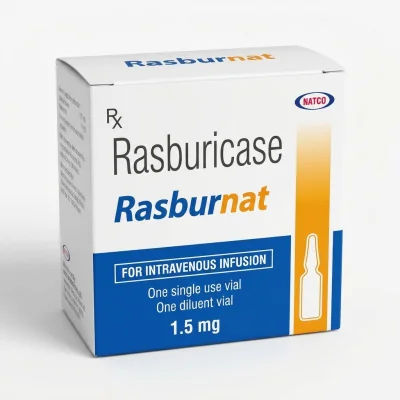
Rasburnat
View
Natco
1.5 mg 1 vial
3978₴ 4336₴
✅ All products loaded (1)

Contact us

Choose a convenient way to contact

We work daily from 9:00 to 20:00