Side effects of targeted therapy: what to do at home and when to call your doctor

Targeted medicines act directly on the tumour, so they are usually easier to tolerate than chemotherapy: hair usually does not fall out and nausea is less common. But they are not free of side effects. The good news is that most of them are predictable and can be managed at home if you know what to do.
The main rule: do not stop treatment or lower the dose yourself. If a side effect is getting in the way of life, tell your oncologist — they can pause treatment, lower the dose or prescribe something to help.
Rash and dry skin
This is especially common with medicines that block EGFR (for example, osimertinib, erlotinib, afatinib). The rash looks like acne and appears on the face, chest and back.
- wash with a gentle cleanser without alcohol or fragrance;
- apply moisturiser twice a day;
- protect your skin from the sun with SPF 30 or higher;
- do not squeeze spots or use ordinary acne products without your doctor’s advice.
Changes in the skin of the palms and soles
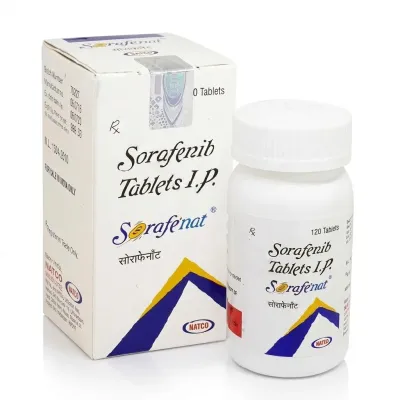
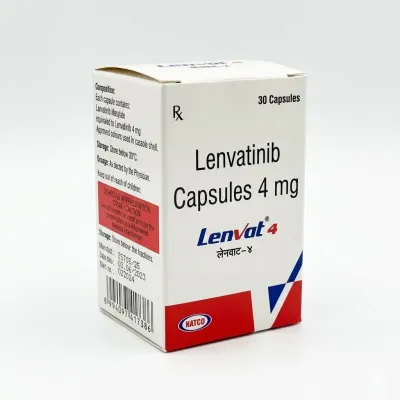
With some medicines — for example sorafenib (Sorafenat), lenvatinib (Lenvat), regorafenib and sunitinib — the skin of the palms and soles becomes red, thick and painful. This is called hand-foot syndrome.
- remove calluses and hard skin before treatment starts;
- use a urea cream every day;
- wear soft, comfortable shoes and cotton socks;
- avoid hot water, long walks and working with your hands without gloves.
Diarrhoea
- drink 2–3 litres of fluid a day: water, weak tea, broth;
- eat little and often; avoid fatty, spicy and dairy food and raw vegetables for a while;
- ask your oncologist in advance which anti-diarrhoea remedy to keep at home and when to start it.
Fatigue
Tiredness is one of the most common side effects. Daily walks and light activity help (surprisingly, they reduce fatigue better than bed rest), as do good sleep and enough protein. Sudden severe weakness can be a sign of anaemia or thyroid problems — tell your doctor.
High blood pressure
Medicines that block the growth of tumour blood vessels (lenvatinib, sorafenib, sunitinib, pazopanib) often raise blood pressure. Buy a home blood pressure monitor and measure it every day, especially in the first weeks. If it is above 140/90, tell your doctor: usually a blood pressure medicine is added and treatment continues.
Medicines, food and supplements
Many targeted medicines interact with other substances. Grapefruit and pomelo juice, St John’s wort, some antibiotics and heartburn remedies can make treatment weaker or more toxic. Before taking anything new, even herbal tea or vitamins, ask your oncologist.
When to call your doctor right away
- a temperature of 38 °C or higher;
- diarrhoea more than 4–6 times a day or with blood;
- sudden shortness of breath, cough or chest pain;
- yellow skin or eyes, dark urine;
- blisters or peeling skin, especially over a large area;
- a severe headache or blood pressure above 160/100.
This article is for information only. Your oncologist will explain how to manage the side effects of your specific medicine.