Multiple myeloma: lenalidomide, bortezomib and what to know about treatment

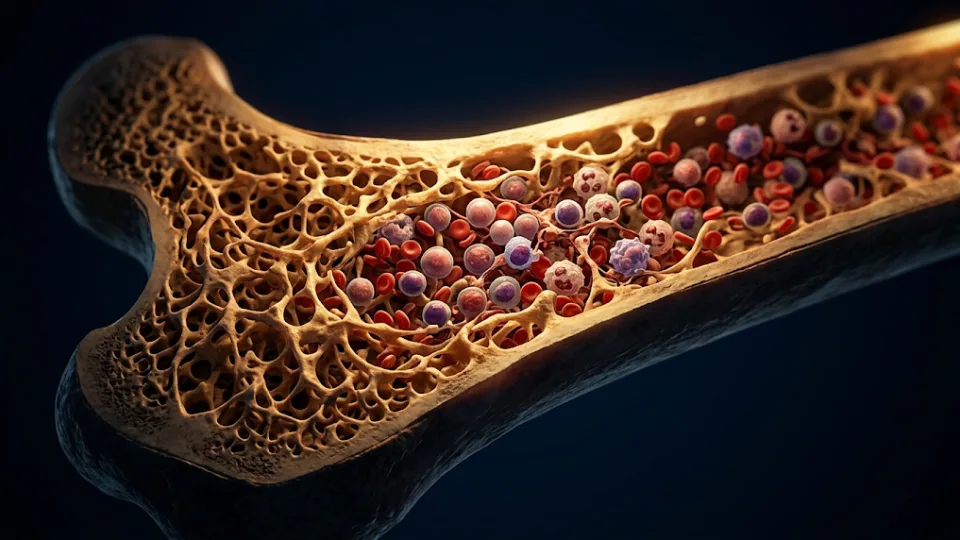
Multiple myeloma is a cancer of plasma cells — bone marrow cells that normally make antibodies to fight infection. In myeloma one such cell starts dividing out of control: the abnormal cells crowd out healthy blood production, damage the bones and make a useless protein that harms the kidneys. It is most often found in people over 65.
Myeloma can rarely be cured completely yet, but treatment has changed a great deal over the last 20 years. Many patients now live with the disease for many years, alternating periods of treatment and remission.
Symptoms and diagnosis
Typical signs are:
- bone pain, especially in the back and ribs, and fractures from minor strain;
- weakness and breathlessness due to anaemia;
- frequent infections;
- thirst, constipation and confusion — due to too much calcium in the blood;
- worsening kidney function.
Diagnosis involves blood protein tests (electrophoresis, free light chains), a bone marrow examination and bone imaging — whole-body CT, MRI or PET-CT.
What treatment involves
Myeloma is treated with combinations of 3–4 medicines that work in different ways. They usually include:
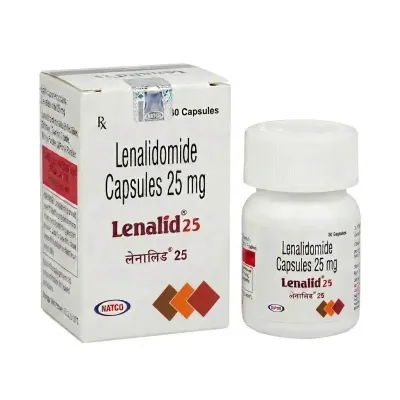
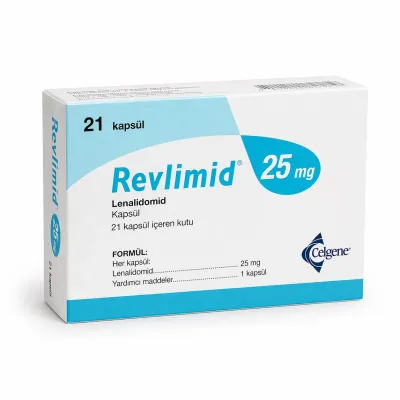
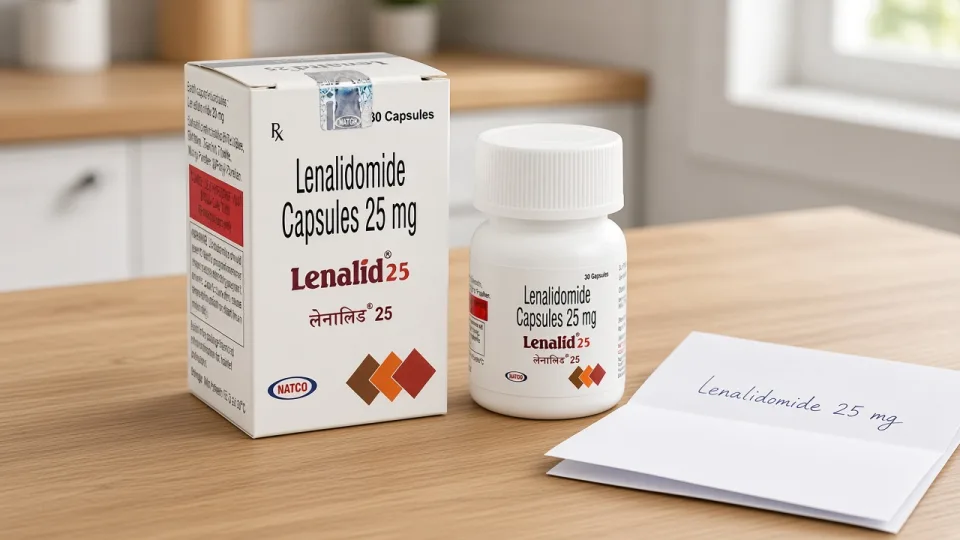
- lenalidomide — tablets that help the immune system fight the tumour (Revlimid 25, Lenalid 25);
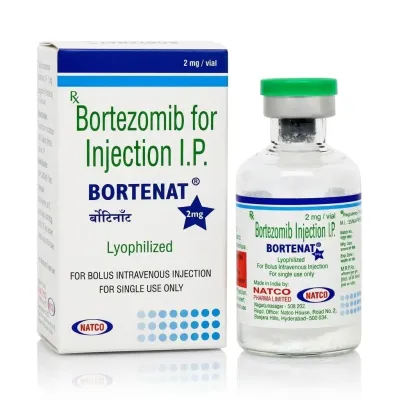
- bortezomib — an injection that disrupts protein “recycling” in tumour cells, so they die (Bortenat 2);
- dexamethasone — a steroid that boosts the effect of the other medicines;
- often also antibodies against the CD38 protein (daratumumab).
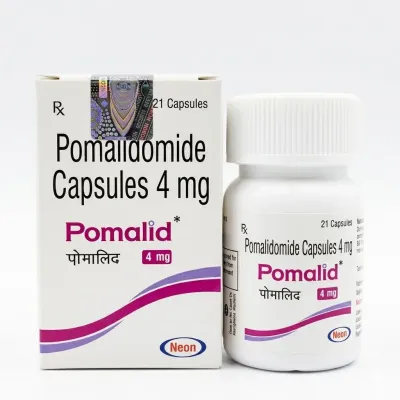
People in good physical shape may be offered high-dose chemotherapy with a transplant of their own stem cells after several cycles. This is usually followed by low-dose lenalidomide maintenance. If the disease comes back, other medicines are used — for example, pomalidomide or newer immune treatments.
How to take lenalidomide safely
Lenalidomide is related to thalidomide, so it comes with strict safety rules:
- pregnancy must be avoided: the medicine causes severe birth defects. Women who could become pregnant need reliable contraception and regular pregnancy tests; men need to use condoms;
- risk of blood clots: doctors usually prescribe aspirin or another preventive medicine. Swelling and pain in a leg or sudden breathlessness need urgent medical attention;
- low blood counts: regular full blood counts are needed;
- swallow capsules whole without opening or splitting them; the dose is lowered with kidney disease.
How to protect nerves and bones
- Nerves. Bortezomib can cause numbness, tingling and burning in the fingers and toes. Report these to your doctor straight away: if the dose or schedule is adjusted in time, the symptoms often go away. Injection under the skin causes this less often than into a vein.
- Shingles. The risk is higher on bortezomib, so antiviral prevention is usually prescribed.
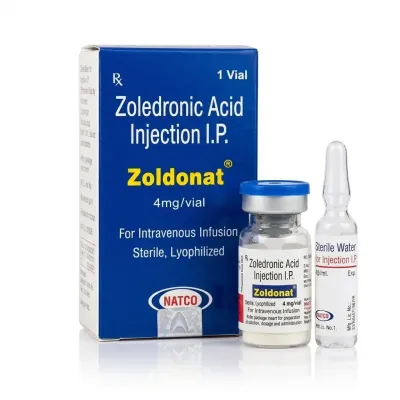
- Bones. Almost all patients are given bone-strengthening medicines — for example, zoledronic acid (Zoldonat 4). Have dental treatment beforehand: in rare cases these medicines damage the jawbone, and the risk is higher after a tooth extraction.
What else helps
- drinking enough water — it protects the kidneys;
- avoiding heavy lifting and sudden bending if the spine is affected;
- flu and pneumococcal vaccines — agreed with your haematologist;
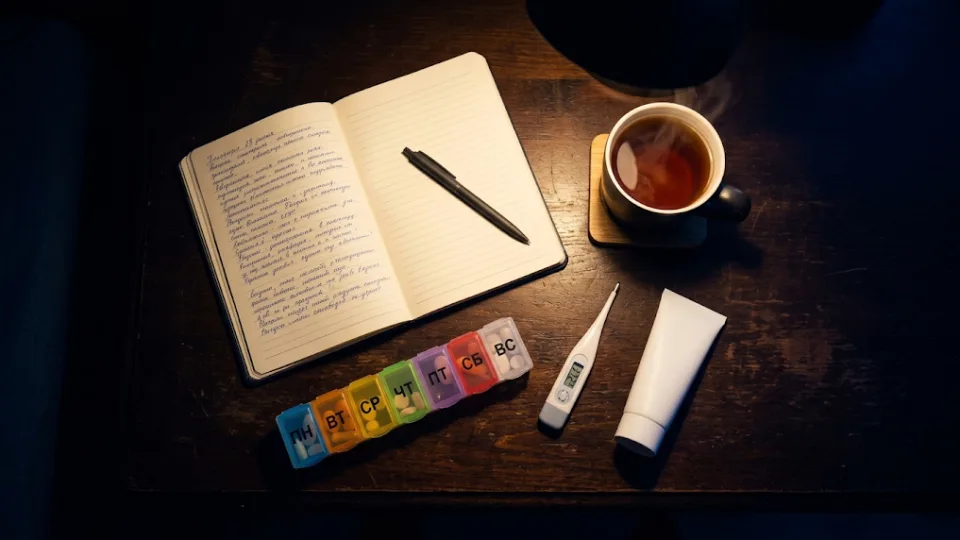
- calling your doctor straight away with a temperature above 38 °C.
This article is for information only. Myeloma treatment is prescribed and monitored by a haematologist.