What to do if Mounjaro or Ozempic makes you nauseous: 7 practical moves for an easier start

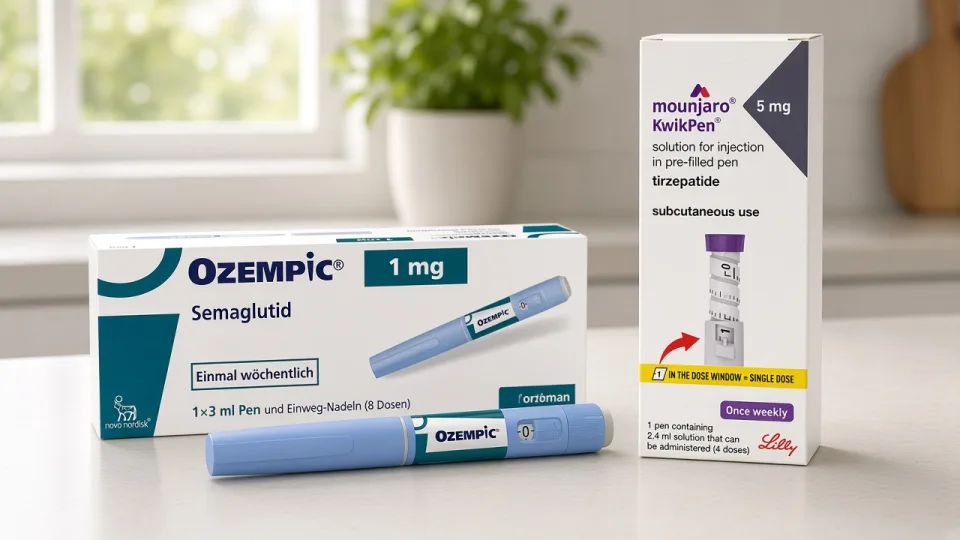
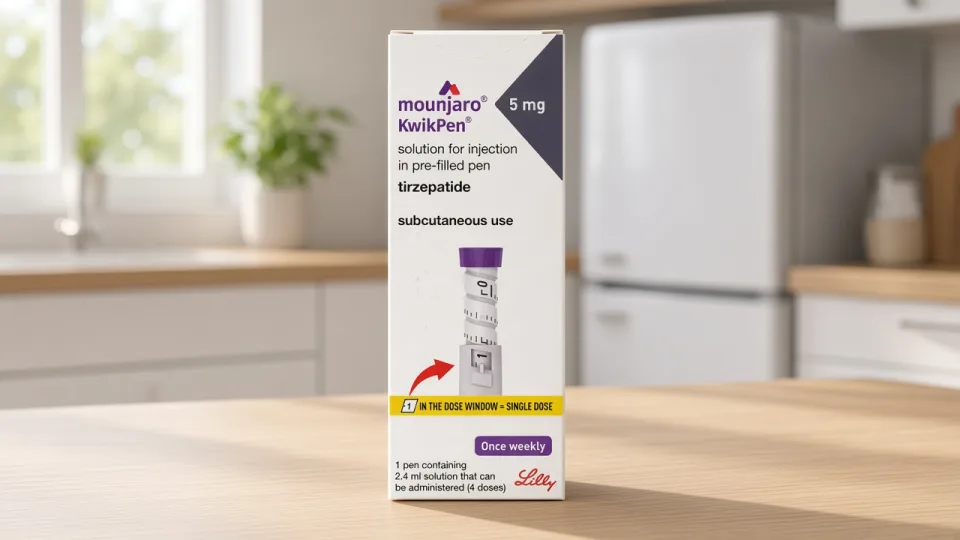
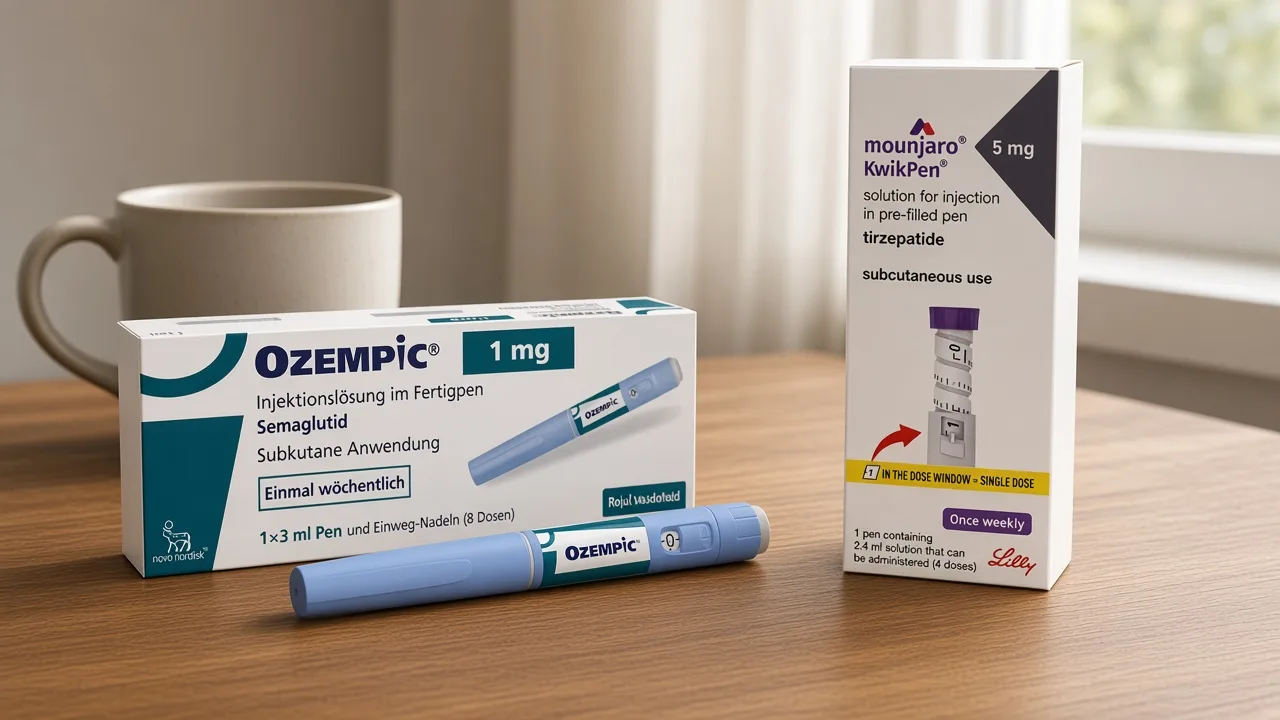
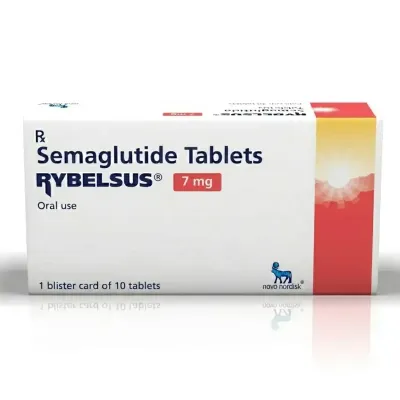
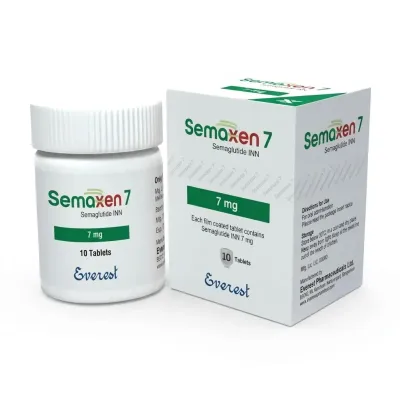
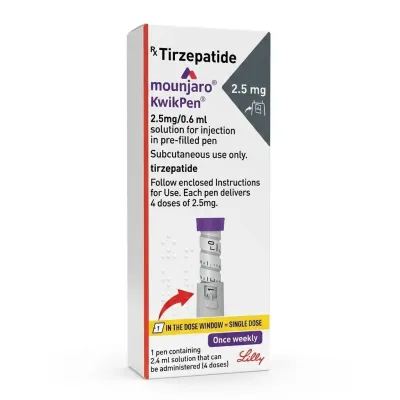
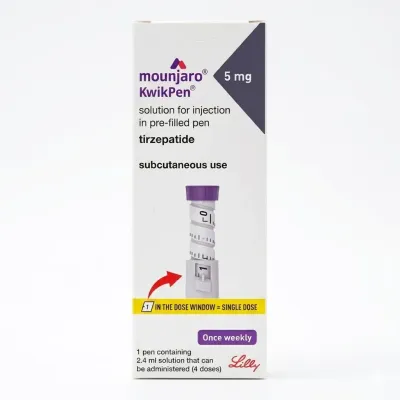
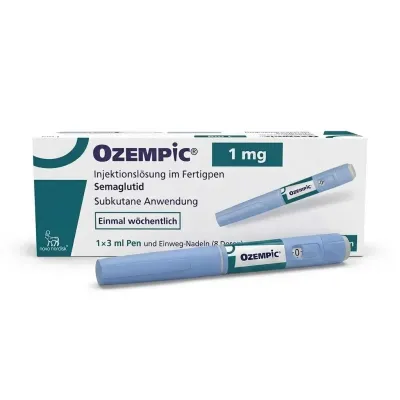
Nausea is side effect number one in the first weeks or after a dose increase of incretin mimetics: tirzepatide (the Mounjaro KwikPen) and semaglutide (the Ozempic pen, and the tablets Rybelsus and Semaxen). The physiology is simple: the medicines slow gastric emptying, so a usual volume of food does not leave the gut in time and you feel overfull.
This material is for information only. It is not a treatment plan and does not replace an in-person visit. Which dose to use, and when to change it, is only your endocrinologist’s call. Unifarm does not pick milligrams and does not change prescriptions in support chat. How the molecules differ is in semaglutide vs tirzepatide. Tablet or shot is in Rybelsus or Ozempic. Why these medicines need a doctor is in buying without a prescription. If the scale stalled for a few weeks, see a plateau on tirzepatide or semaglutide. Ending the course is in how to finish Ozempic or Mounjaro shots.
1. The “small plate” rule and stop at 80%
The main reason for nausea in the first weeks is trying to eat a portion of the old size. On Mounjaro or Ozempic the stomach runs in a completely different, slowed rhythm.
- Cut the portion by two or three. It is far more comfortable to eat a little 4–5 times a day than to attempt supper “as before”.
- Stop at the first sign of fullness. Once sharp hunger has gone, put the plate aside even if half the food is left. Satiety on these molecules reaches the brain fast, and every extra bite almost guarantees heaviness and nausea.
2. Keep food and water apart
If you wash food down with water or fizzy drinks, the volume in the stomach jumps and gastric juice is diluted. Digestion then slows even more.
- Golden rule. Drink 20–30 minutes before a meal or 40–60 minutes after. During the meal itself, at most a couple of small sips if the dish is very dry.
- Sip through the day; do not down a whole glass at once. Dehydration itself makes nausea worse, so a landmark of 1.5–2 litres of plain water a day remains key — unless the doctor has limited fluids for another reason.
3. A 48-hour “exclusion zone” after the injection
Peak blood levels usually fall in the first 24–48 hours after the shot. Those two days are when the gut is most sensitive. For pens such as Mounjaro KwikPen and Ozempic this is especially noticeable on the starting steps the doctor wrote.
In the first two days after the injection it is better to drop completely:
- fatty and fried food: fast food, mayonnaise sauces, fatty cuts of meat (they sit in the stomach longest);
- simple sugars and rich pastry: they easily ferment and bloat;
- fizzy drinks and alcohol: they irritate the lining and cause reflux;
- hot spices, pickles and marinades;
- large amounts of raw coarse fibre: white cabbage, radish, daikon.
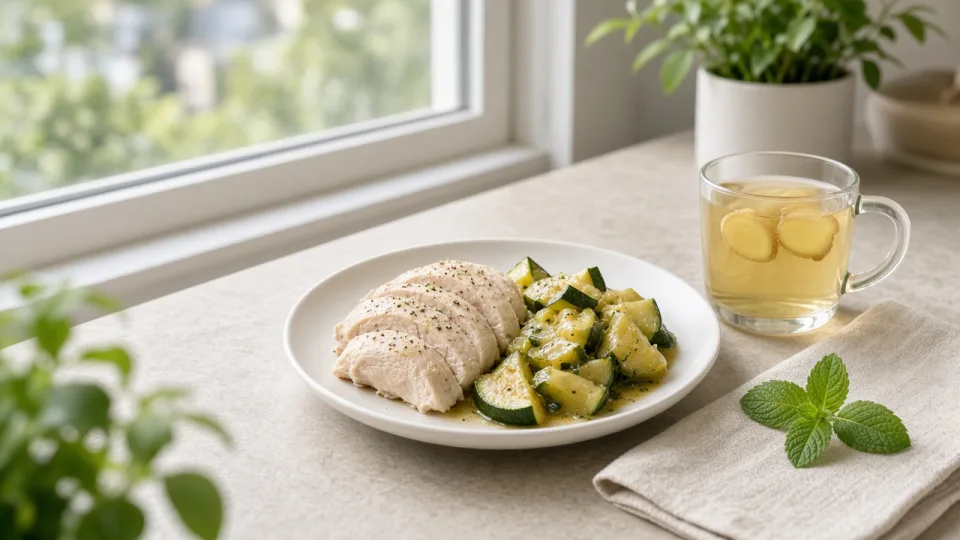
Prefer light protein (boiled chicken, turkey, eggs, low-fat quark) and cooked vegetables: stewed courgette, broccoli, baked apples.
4. Ginger and mint — gentle plant support
Natural helpers do not replace a doctor, but they often take the edge off rising nausea without extra pharmacy load.

- Ginger tea. Steep 2–3 thin slices of fresh ginger root in warm water (not boiling). Sip as soon as you feel discomfort coming on.
- Mint tea or drops. Menthol helps relax gastric smooth muscle and eases spasm.
- The smell of mint or lemon on a tissue can quickly stop a wave if you do not want to drink at that moment.
5. A home kit: what is often acceptable, and what only a doctor decides
If changing the plate and ginger are not enough, mild over-the-counter products can help. This is not a Unifarm protocol and not a reason to stop the prescribed medicine on your own.
| Category | What often fits | How it works |
|---|---|---|
| Sorbents | Enterosgel, Atoxil, Smecta | Bind extra gas and irritating substances in the gut |
| Anti-foaming agents | Simethicone (Espumisan) | Ease bloating and gas that often masquerade as nausea |
| Antacids | Maalox, Rennie, Phosphalugel | Neutralise extra acid in heartburn and sour belching |
Important. Strong prokinetics (domperidone, metoclopramide) and specific antiemetics (ondansetron) are prescribed only by the treating endocrinologist. They act directly on gut motility and can interact unfavourably with incretins.
6. Set the injection timing
The day and hour of the shot matter, especially if the sensitive peak hits work hours or travel. Still match the timing with the doctor and the leaflet for your pack — Mounjaro KwikPen and Ozempic have their own rules.
- Evening injection. Inject 1–2 hours before sleep after a light supper. The strongest adaptation phase then happens while you sleep.
- Move it to the weekend. Inject Friday evening so the main 48 hours fall in a quiet home routine.
Changing the weekday must be agreed with the doctor and follow the leaflet for your pack. This is about which hour is easier for the peak, not a DIY change of the scheme.
7. Posture after meals and light movement
Lying down right after a meal on a slowed stomach is a direct path to heartburn and nausea: contents can splash back into the oesophagus more easily.

- Do not lie flat for at least 2 hours after eating. If you need rest, sit in a chair with the head raised.
- Walk 15–20 minutes. Easy outdoor walking stimulates peristalsis and helps food move gently through the gut.
Red flags: when to see a doctor urgently
Nausea and mild heaviness during adaptation are common. Self-treatment is not acceptable if these dangerous symptoms appear:
- unbroken vomiting for more than 24 hours — high risk of severe dehydration;
- sharp belt-like pain in the upper abdomen radiating to the back — risk of pancreatitis;
- no stool and no gas for more than 3–4 days — risk of bowel obstruction;
- marked weakness, dizziness, dark urine — signs of severe dehydration.
With these symptoms do not try to “add another day of Smecta”. Contact your treating doctor at once. Do not stop or skip a dose on your own — that is the endocrinologist’s decision.
To understand the therapy better, see the other pieces in the blog. How the active substances compare is in semaglutide vs tirzepatide. Tablet form or shots is in Rybelsus or Ozempic. Why these medicines need professional follow-up is in buying without a prescription. If the scale stalled for a few weeks, see a plateau on tirzepatide or semaglutide. Ending the course without weight regain is in how to finish Ozempic or Mounjaro shots. How to read the pack is in the KwikPen and the vial. If the line on the pack does not match the prescription, write to Unifarm support.
Adaptation to tirzepatide or semaglutide usually takes 2 to 4 weeks. A smooth dose change under an endocrinologist and a sensible drinking routine help this period pass as comfortably as possible. For information only. It does not replace an in-person consultation.
Mentioned medications
Related articles