How to finish Ozempic or Mounjaro shots: a guide back to ordinary life

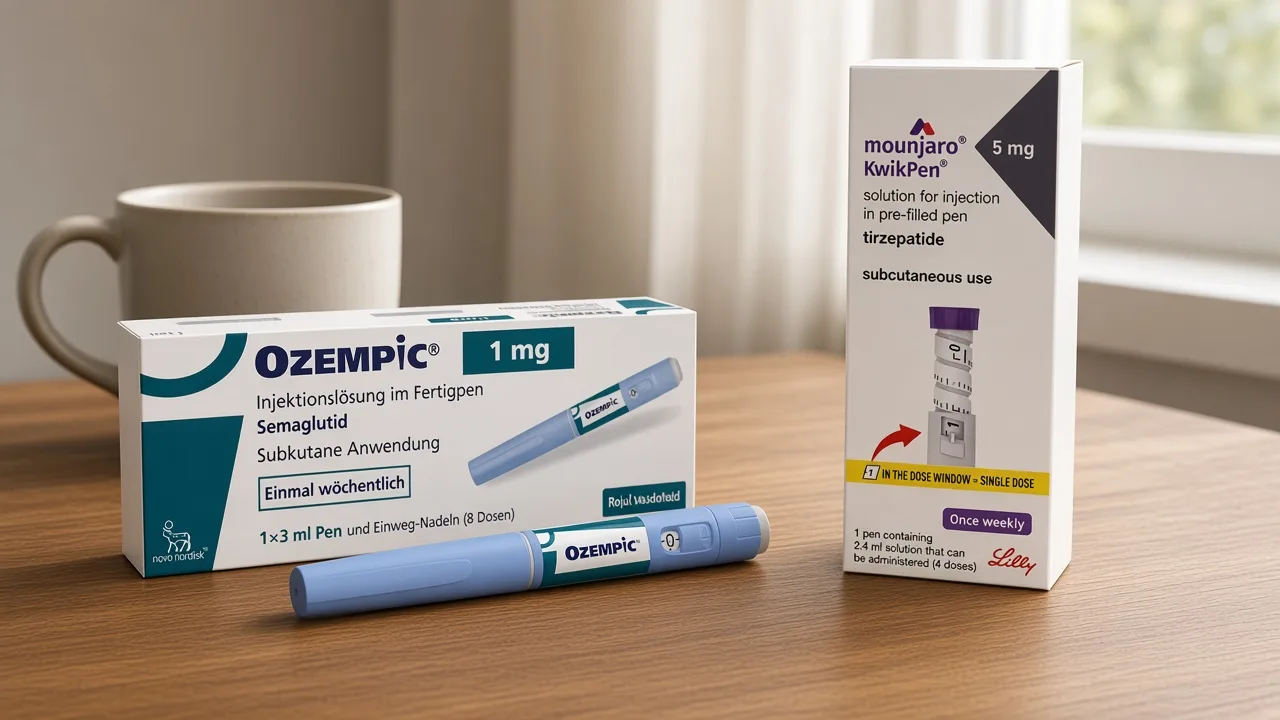
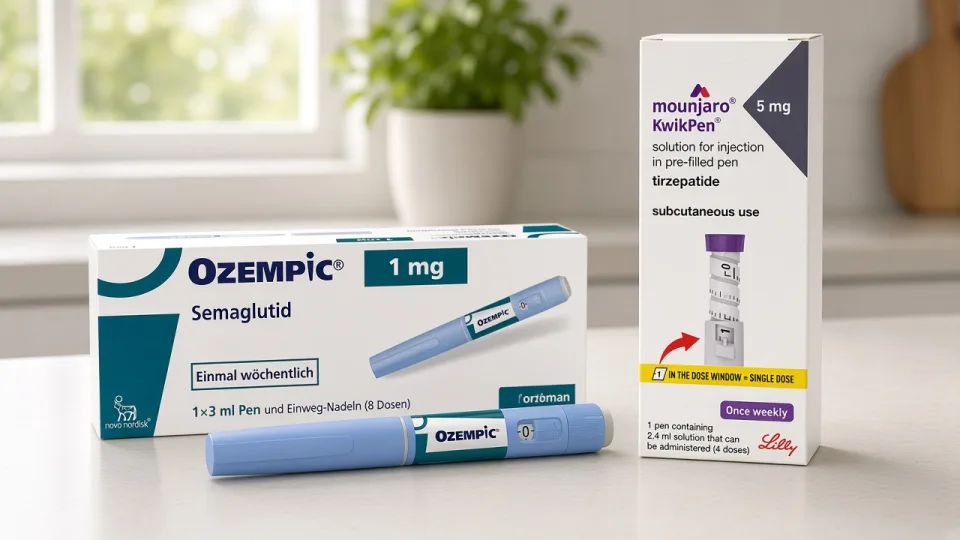
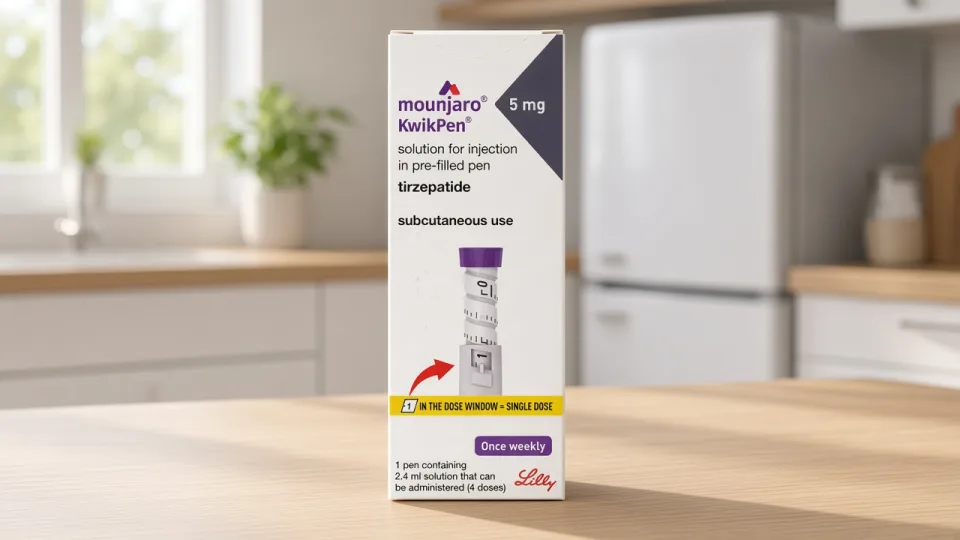
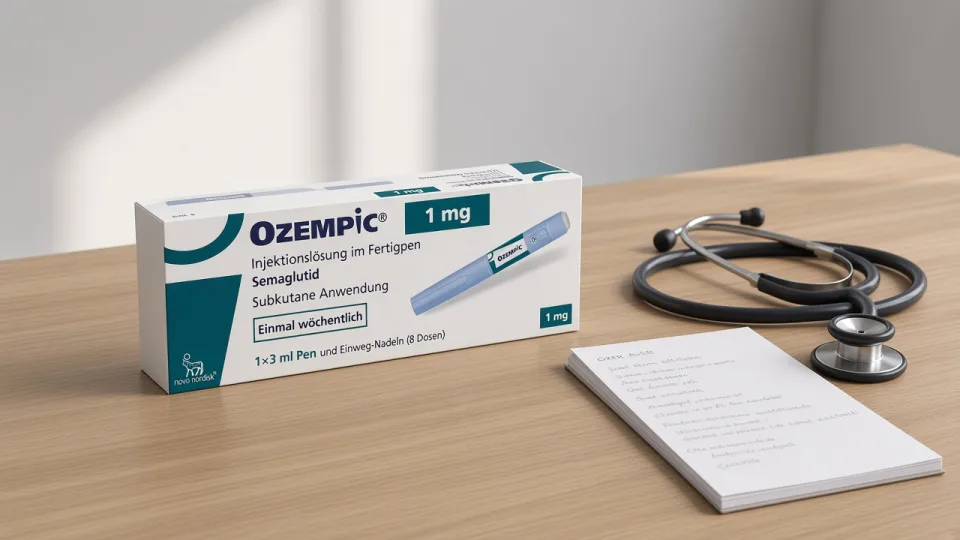
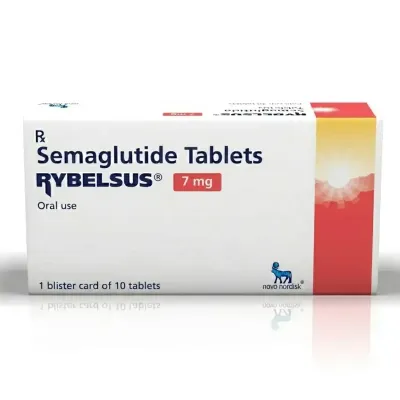
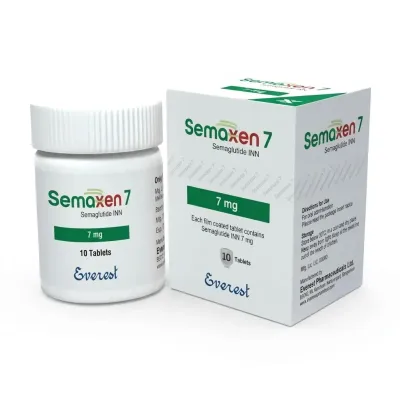
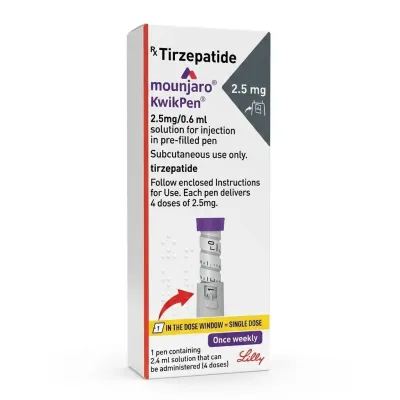
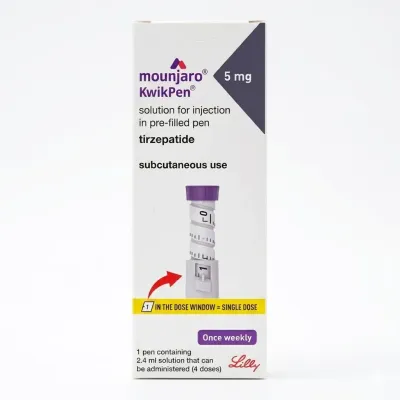
It looks as if the main stage is done: the kilos are gone, the goal is met, and the endocrinologist confirms that the course of Mounjaro KwikPen (tirzepatide) or semaglutide — the Ozempic pen, the tablets Rybelsus and Semaxen — is coming to an end. Finishing therapy is not “just skip the shot next Monday”.
While the medicine was in the body, it quietly lowered appetite and slowed digestion. When the molecule’s effect ends, hunger often returns twice as strong. In studies without a clear plan for how to finish the course, people often regain up to two thirds of the lost weight in the first year.
This article is for information only. It does not replace a doctor’s visit and does not contain dosing schedules. Unifarm does not pick milligrams and does not tell you in chat how to finish the shots. Every decision belongs to your treating endocrinologist. How the molecules differ is in semaglutide vs tirzepatide. If the scale stalled during the course, see a plateau on tirzepatide or semaglutide. At the adaptation stage, see 7 tips for nausea. Legal and medical rules are in buying without a prescription.
1. Why weight tries to come back
Strong hunger after the shots is not “weak character” and not a lack of willpower. It is physiology: the body is simply trying to return to its usual weight, the number it is used to defending.
- Digestion speeds up. While the injections were running, food stayed in the stomach longer. Two to four weeks after the last shot the active substance has usually left the body. The stomach empties at its ordinary fast pace, and fullness after a familiar portion fades much sooner.
- The body tries to “catch up” on calories. The brain treats the weight-loss period as a crisis and, at the first chance, sends strong hunger signals — you want denser, more caloric food.
- Fat-tissue memory. The body remembers the old number on the scale and, at first, protects its fat stores.
2. The main mistake: dropping a high dose in one day
The highest risk of a slip is when a person stops injections suddenly on a peak dose: for example 10 mg of Mounjaro or 1 mg of Ozempic. The level in the blood falls over a couple of weeks, and appetite arrives as a wave that table habits are often not ready for.
Doctors usually lower the dose as smoothly as they raised it at the start. This is not a Unifarm protocol.
- Step-by-step lowering. The endocrinologist may write a schedule to lower the dose every 3–4 weeks.
- No improvising. Do not change the injection schedule on your own — for example “every 10 days instead of once a week” — or switch to another dose without a prescription.
- Different doses are different products. Mounjaro 2.5 mg and 5 mg are different packs. Which carton to open next is the specialist’s call.
3. How to build fullness from the plate, not from willpower
When the medicine’s support ends, appetite is held by the structure of the plate, not by character.
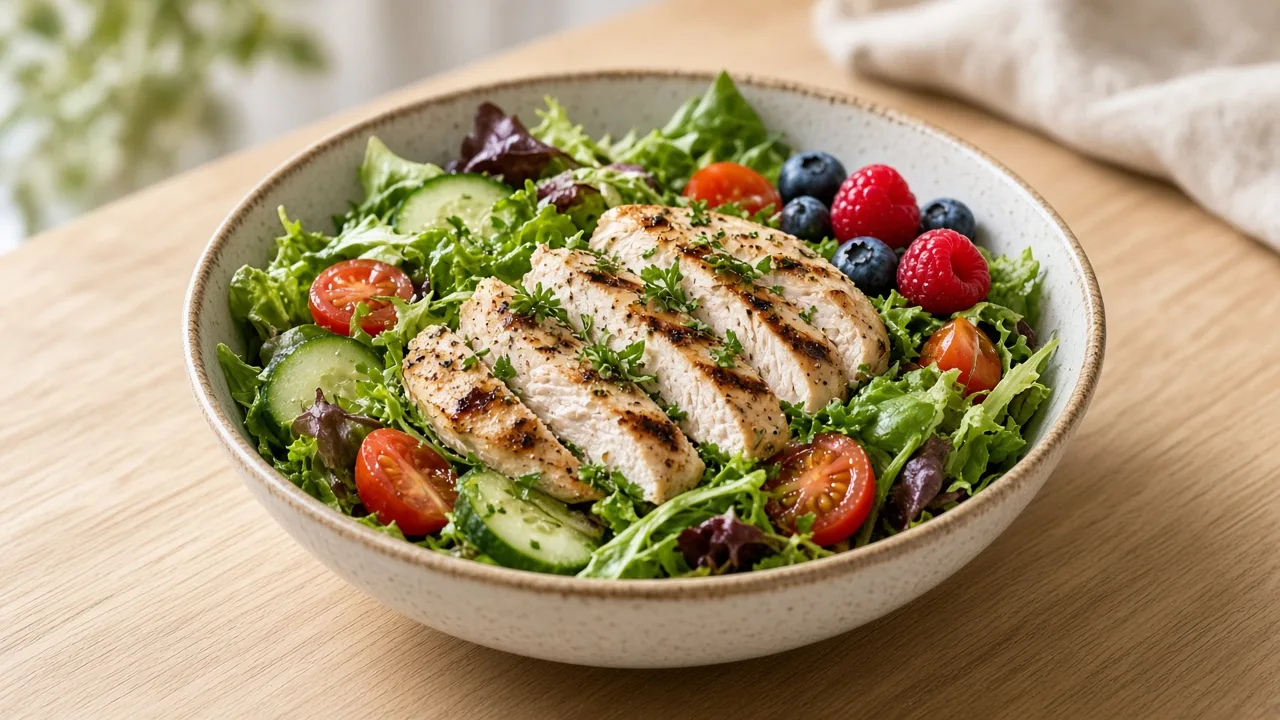
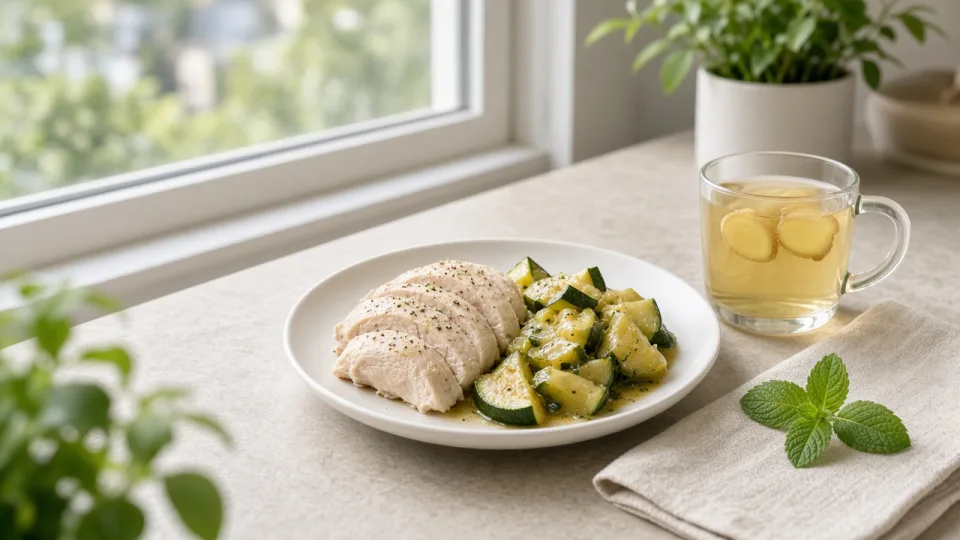
- Volume eating. A huge plate of salad with cucumber, greens and lean turkey physically stretches the stomach wall. A small, dense, fatty portion will not give the same fullness.
- Focus on protein. Discuss a target with the doctor (a common guide is 1.2–1.5 g per kg of current weight). Eggs, poultry, fish, cottage cheese and legumes digest more slowly and protect muscle. If the kidneys are ill, only the doctor sets the protein amount.
- Fibre for a gentle slowdown. Vegetables, berries, bran. Psyllium only if the doctor said so. Fibre slows digestion gently and helps avoid sharp hunger spikes.
4. Muscle and steps: holding resting metabolism
If some muscle left with the fat during weight loss, the body at rest started burning less energy.

- Strength work 2–3 times a week. Bodyweight or light loads help keep and rebuild muscle. Which moves are right for you should be agreed with the doctor, especially with joints, blood pressure or a recent operation.
- Daily walking 8,000–10,000 steps. Everyday walking burns a substantial share of calories without stress on the body.
5. Stop overnight or step down with the doctor?
| What you compare | Stop the shots in one day | A smooth step-down with the doctor |
|---|---|---|
| Hunger returning | Arrives suddenly and feels very strong | Appetite returns gently and gradually |
| Portion control | Easy to lose a sense of measure at the table | Time to adapt to new portions |
| Risk of weight regain | High without a food plan | Noticeably lower with diet and steps in place |
| Gut response | Stool swings and bloating can appear | The digestive system has time to adapt |
Psychology, boredom and sleep
When therapy is finished, it helps to tell physiological hunger — a rumbling stomach, slight weakness — from emotional hunger: wanting something specific because you are bored, anxious or tired.
Pay attention to sleep. Under 7 hours often raises hunger the next day. A strong urge to snack may simply mean the body is short of energy from tiredness — not that “character broke”.
To understand the details of therapy and how to handle the packs, see the other pieces in the blog. How the active substances differ is in semaglutide vs tirzepatide. If the scale stalled during the course, see a plateau on tirzepatide or semaglutide. At the adaptation stage, see 7 tips for nausea. Legal and medical rules are in buying without a prescription. Pack and form differences are in the KwikPen and the vial, and in the comparison Rybelsus or Ozempic.
If the delivered product does not match the prescription, or there is a question about the pack, write to Unifarm support at once.
Finishing the shots is not the end of treatment. It is a move to the next stage, where the habits do the work: a balanced plate, regular steps and proper sleep. For information only. It does not replace an in-person consultation.
Mentioned medications

Related articles